
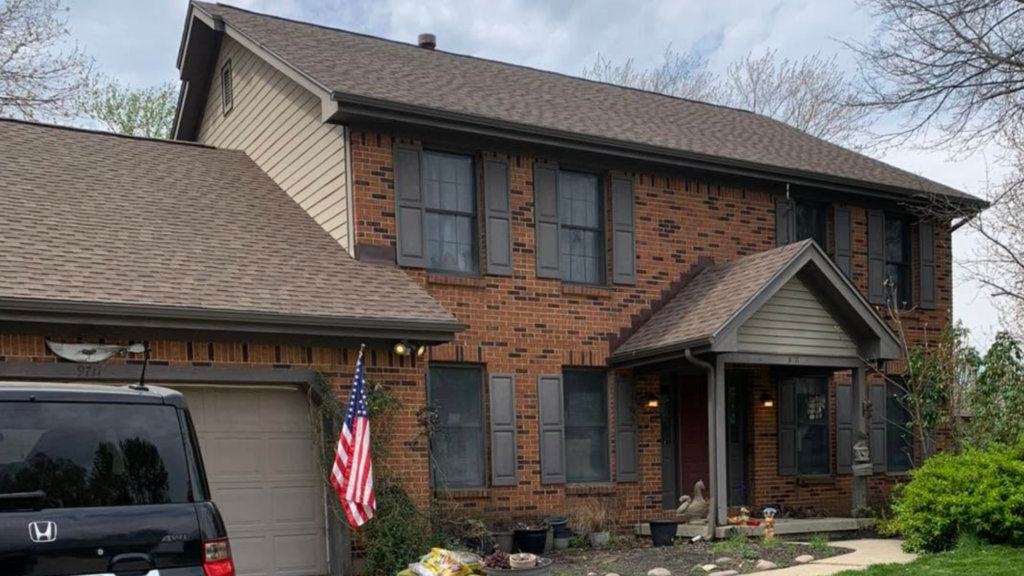
Choosing new windows involves more than selecting a style that complements your home’s exterior. Homeowners should also understand how energy performance is measured to ensure they are making a smart investment. One of the most important considerations is window energy ratings, which provide valuable information about a window’s ability to insulate, reduce energy loss, and improve indoor comfort.
Learning about window energy ratings allows homeowners to make informed decisions that improve comfort, reduce utility costs, and increase the overall efficiency of their homes.
Why Window Energy Ratings Matter
Windows play a significant role in a home’s energy performance.
Modern window energy ratings help homeowners compare products based on their efficiency.
Energy-efficient windows can help:
- Lower heating costs
• Reduce cooling expenses
• Improve indoor comfort
• Minimize drafts
• Increase home value
• Reduce HVAC workload
Understanding window energy ratings makes it easier to compare different window products before making a purchase.
What Are Window Energy Ratings?
Window energy ratings are standardized measurements that evaluate how efficiently a window performs under specific testing conditions.
These ratings examine several performance characteristics, including:
- Insulation performance
• Solar heat gain
• Air leakage
• Visible light transmission
• Condensation resistance
Together, these measurements help homeowners determine which windows best meet their energy-efficiency goals.
Understanding the U-Factor
The U-factor is one of the most important components of window energy ratings.
The U-factor measures how much heat passes through a window.
A lower U-factor indicates:
- Better insulation
• Less heat loss
• Improved winter performance
• Greater energy efficiency
Because Ohio experiences cold winters, choosing windows with a low U-factor can significantly improve indoor comfort.
How U-Factor Affects Energy Efficiency
The U-factor directly influences heating and cooling performance.
Within window energy ratings, lower U-factor values help:
- Keep warm air inside during winter
• Reduce cold drafts
• Improve temperature consistency
• Lower heating costs
Selecting windows with appropriate U-factor ratings contributes to long-term energy savings.
Solar Heat Gain Coefficient (SHGC)
Another important measurement included in window energy ratings is the Solar Heat Gain Coefficient, or SHGC.
SHGC measures how much solar heat passes through a window.
Lower SHGC values help:
- Reduce unwanted summer heat
• Improve cooling efficiency
• Increase indoor comfort
Higher SHGC values may be beneficial in colder climates where passive solar heating is desirable.
Choosing the right SHGC depends on your home’s location and orientation.
Visible Transmittance
Visible Transmittance measures the amount of natural light that passes through a window.
As part of window energy ratings, this measurement helps homeowners balance daylight with energy performance.
Higher visible transmittance provides:
- Brighter interior spaces
• Greater natural lighting
• Reduced daytime lighting needs
Modern windows can provide excellent daylight while maintaining strong insulation.
Air Leakage Ratings
Air leakage measures the amount of outside air entering through a closed window.
Quality window energy ratings include air leakage information.
Lower air leakage values help:
- Reduce drafts
• Improve comfort
• Increase HVAC efficiency
• Lower utility costs
Proper installation is essential for achieving the full benefits of low air leakage windows.
Condensation Resistance
Condensation resistance evaluates how well a window prevents moisture buildup on interior glass surfaces.
High-quality window energy ratings often include this measurement.
Improved condensation resistance helps reduce:
- Moisture accumulation
• Mold growth
• Interior water damage
• Window frame deterioration
This feature is especially valuable during Ohio’s cold winter months.
Low-E Glass Technology
Many windows with excellent window energy ratings include Low-E (low emissivity) glass coatings.
Low-E coatings help:
- Reflect indoor heat during winter
• Reduce solar heat gain during summer
• Block harmful UV rays
• Improve overall energy performance
Low-E technology is one of the most effective ways to improve window efficiency.
Double-Pane and Triple-Pane Windows
Glass configuration significantly affects window energy ratings.
Double-pane windows provide:
- Better insulation than single-pane windows
• Improved energy efficiency
• Lower utility costs
Triple-pane windows offer:
- Maximum insulation
• Enhanced sound reduction
• Superior winter performance
Homeowners should evaluate both performance and budget when selecting window types.
Gas-Filled Window Units
Many high-performance windows contain insulating gases between glass panes.
Common gases include:
- Argon
• Krypton
These gases improve window energy ratings by reducing heat transfer and increasing insulation.
Gas-filled windows contribute to improved comfort throughout the year.
ENERGY STAR® Certified Windows
Many homeowners look for ENERGY STAR-certified products when comparing window energy ratings.
Certified windows meet strict efficiency guidelines designed to reduce energy consumption.
Benefits include:
- Lower utility bills
• Improved home comfort
• Better overall efficiency
• Increased long-term value
ENERGY STAR certification helps simplify the window selection process.
How Climate Affects Window Selection
Ohio’s climate includes cold winters, warm summers, and seasonal weather changes.
Choosing windows with appropriate window energy ratings helps homes remain comfortable throughout every season.
Climate considerations include:
- Winter heat retention
• Summer heat reduction
• Seasonal temperature fluctuations
• Moisture management
Selecting windows designed for regional weather improves overall performance.
Professional Installation Is Essential
Even the highest window energy ratings cannot compensate for poor installation.
Professional installation ensures:
- Proper sealing
• Correct insulation
• Reduced air leakage
• Maximum energy efficiency
Experienced installers help homeowners achieve the full performance benefits of their new windows.
Long-Term Financial Benefits
Understanding window energy ratings also helps homeowners evaluate long-term value.
Energy-efficient windows may provide:
- Lower heating costs
• Reduced cooling expenses
• Increased property value
• Improved home comfort
• Less HVAC wear and tear
Over time, these benefits contribute to an excellent return on investment.
Why Choose Kerrigan Roofing and Restoration
Homeowners trust Kerrigan Roofing and Restoration for professional window replacement and exterior home improvement services.
We provide:
- Expert window evaluations
• Energy-efficient window options
• Professional installation services
• Honest product recommendations
• Quality craftsmanship
• Outstanding customer support
Our experienced team helps homeowners understand window energy ratings and select windows that provide lasting performance and energy savings.
Final Thoughts
Choosing new windows involves much more than appearance. Understanding window energy ratings, including U-factor, SHGC, air leakage, and condensation resistance, helps homeowners make informed decisions that improve comfort and reduce energy costs.
By selecting high-quality windows and ensuring professional installation, homeowners can enjoy better efficiency, increased property value, and year-round comfort.

SCHEDULE APPOINTMENT
"(Required)" indicates required fields