Proper attic ventilation is one of the most important yet overlooked parts of roof health. Homeowners often notice shingle wear, leaks, or rising energy bills without realizing the cause is hidden above their living space. At Kerrigan Roofing and Restoration we frequently see how roof ventilation problems lead to costly damage when not addressed early. Poor airflow affects every layer of the roofing system, and the longer issues go unnoticed, the more severe the damage becomes.
This guide explains the common causes of ventilation issues, the warning signs homeowners should watch for, and how proper airflow protects your roof and home long term. Understanding roof ventilation problems is the first step toward preventing structural damage, mold growth, and premature roof failure.
Why Attic Ventilation Matters
Ventilation balances the flow of outside air into the attic and out through vents. This balance helps control heat, moisture, and air pressure inside the space beneath your roof. When ventilation is inadequate, heat builds up during summer and moisture accumulates during winter. Both situations create serious roof ventilation problems that impact shingles, insulation, and the entire structure.
A healthy roofing system must breathe. Without consistent airflow, the attic becomes a trapped environment where heat and humidity destroy materials faster than normal. Proper ventilation extends roof lifespan, improves energy efficiency, and protects indoor air quality.
Common Causes of Roof Ventilation Problems
Many homeowners experience ventilation issues without realizing it. Sometimes the attic has too few vents. Other times vents are blocked by insulation, dust, or debris. Even new roofs can have roof ventilation problems if the system was not designed correctly.
One common cause is inadequate intake ventilation. Soffit vents allow cool air to enter the attic, but if they are clogged or too small, the airflow stops. Without intake ventilation, warm air cannot move upward and out.
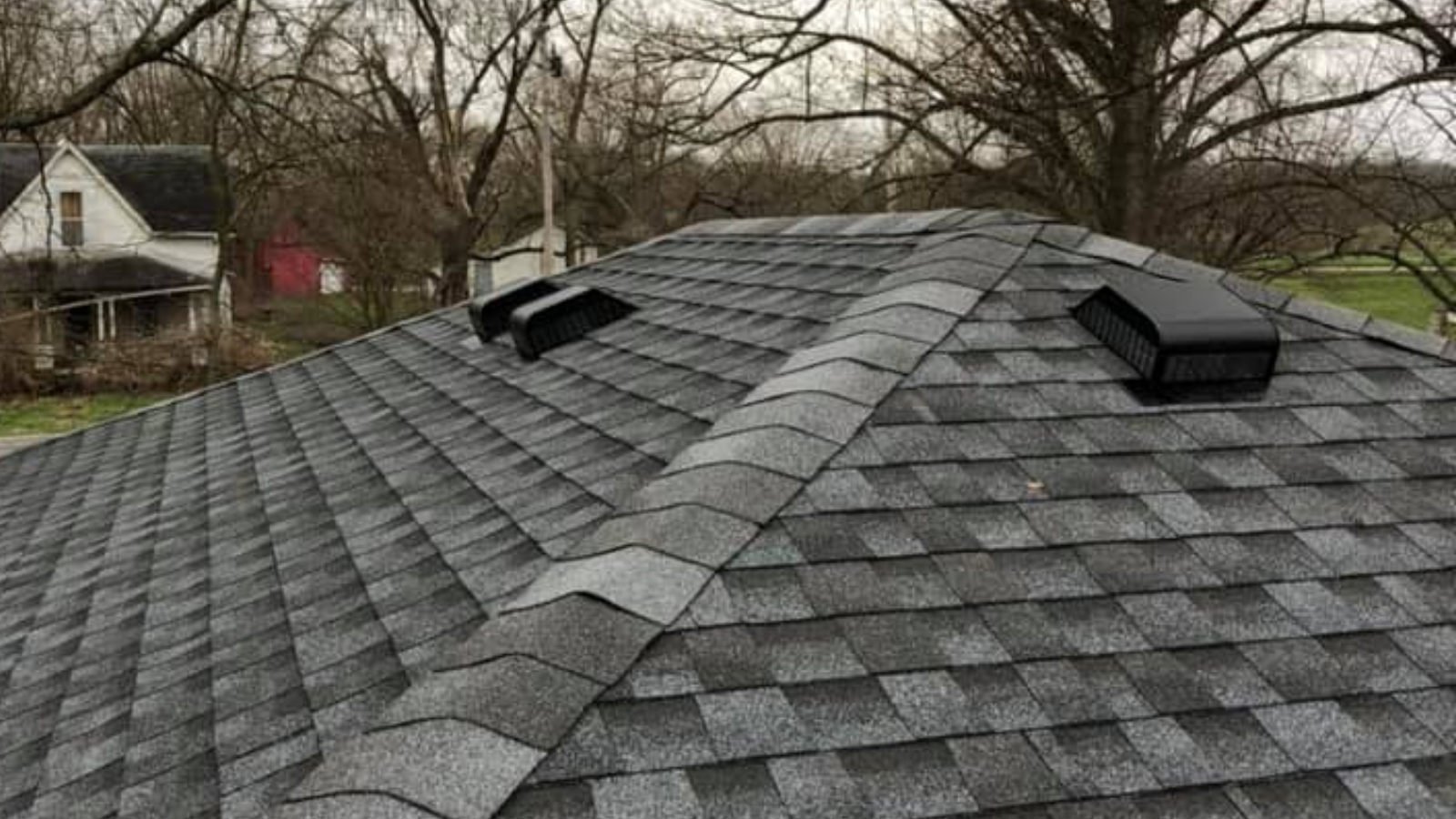
Another cause is insufficient exhaust ventilation. Ridge vents, gable vents, or roof vents allow hot air to escape. When these vents are damaged or missing, heat builds up quickly. This leads to temperature imbalance and moisture buildup.
Homeowners also encounter roof ventilation problems due to poor installation. Vents placed incorrectly, blocked pathways, or mismatched vent types can disrupt airflow. Even good materials perform poorly if the design is wrong.
How Roof Ventilation Problems Damage Shingles
Shingles are designed to withstand heat, but not the extreme temperatures caused by poor ventilation. Attics that lack airflow can reach temperatures over 150 degrees in summer. This intense heat rises directly beneath the shingles, causing them to warp, curl, or crack. Over time, the roof loses its protective barrier, leaving the home vulnerable to leaks.
Excessive heat also weakens the adhesive strips that seal shingles together. When these strips fail, shingles loosen and blow off more easily during storms. Many homeowners replace shingles without realizing roof ventilation problems caused the damage.
Shingle manufacturers even include ventilation requirements in their warranties. Without proper airflow, warranties may not be honored, leaving homeowners with out-of-pocket repair costs.
Moisture Damage Caused by Poor Ventilation
Moisture is one of the most destructive consequences of roof ventilation problems. Everyday household activities like cooking, showering, and running appliances release moisture into the air. This moisture rises into the attic. Without proper ventilation, it condenses on wood, insulation, and roofing materials.
Moisture leads to mold growth, wood rot, and rust on fasteners and metal components. Insulation becomes damp and loses effectiveness, increasing energy costs. Over time, structural beams weaken, creating long-term safety issues for the home.
These moisture problems often remain hidden until stains appear on ceilings or leaks develop during storms. By the time these signs appear, damage may already be widespread. This is why early detection of roof ventilation problems is critical.
Warning Signs Homeowners Should Look For
Roof ventilation issues often show subtle signs at first. Recognizing these early warnings can prevent expensive repairs. High attic temperatures are a major indicator. If the attic feels excessively hot even on mild days, airflow may be blocked.
Ice dams during winter are another sign of roof ventilation problems. When warm air escapes into the attic and heats the roof, snow melts and refreezes near the edges. This causes ice dams that trap water under shingles.
Homeowners should also look for moldy smells, moisture stains, or uneven temperatures inside rooms directly below the attic. Rising energy bills can indicate insulation damage caused by poor ventilation. Finally, any signs of discolored insulation or warped roof decking suggest moisture accumulation.
The Impact of Poor Ventilation on Energy Bills
Without proper airflow, heat builds up in the attic and radiates into the home. This forces the cooling system to work harder during summer, driving up electricity costs. During winter, trapped moisture reduces insulation efficiency, making heating more expensive. Many homeowners do not realize roof ventilation problems are the reason their energy bills keep rising.
By improving ventilation, homeowners reduce temperature extremes and maintain consistent indoor comfort. This leads to lower energy consumption and more stable utility costs throughout the year.
How Professional Roofers Solve Ventilation Problems
Professional diagnosis is essential because ventilation issues are not always obvious. At Kerrigan Roofing and Restoration, we begin by evaluating attic airflow, inspecting ventilation pathways, checking soffits and ridge vents, and measuring moisture levels.
Once we identify the cause of roof ventilation problems, we create a plan to restore proper airflow. This may include adding new intake or exhaust vents, clearing blocked soffits, replacing damaged vents, or redesigning the ventilation layout for better circulation.
Professional repair ensures the entire roofing system works together. Proper ventilation not only solves current issues but prevents future damage, improves roof lifespan, and enhances indoor comfort.
Long Term Benefits of Fixing Roof Ventilation Problems
Solving ventilation issues protects the home from heat damage, moisture, mold, and structural deterioration. It extends the lifespan of roofing materials and preserves the integrity of attic framing.
Repairing roof ventilation problems also improves energy efficiency and lowers bills. Homes stay cooler in summer and warmer in winter. Proper ventilation reduces the risk of ice dams and prevents premature shingle failure.
For homeowners planning to sell in the future, a well-ventilated roof increases property value. Buyers appreciate homes that have been maintained with long term durability in mind.
Final Thoughts From Kerrigan Roofing and Restoration
Roof ventilation is one of the most important factors in protecting your home from hidden damage. Heat, moisture, and poor airflow can destroy roofing materials long before their expected lifespan. Understanding roof ventilation problems helps homeowners identify issues early and take the right steps to prevent costly repairs.
At Kerrigan Roofing and Restoration we help homeowners restore proper ventilation, improve roof performance, and protect their homes for years to come. Whether you’ve noticed moisture, rising energy bills, shingle damage, or temperature imbalance, our team can evaluate your attic and provide reliable solutions that strengthen your entire roofing system.