When Ohio homeowners invest in a new roof, one of the first questions they ask is: How long will it last? Weather in Ohio can shift dramatically, from humid summers to icy winters and wind-heavy storms. These conditions directly affect roof lifespan Ohio, making it essential for homeowners to understand what influences durability and long-term performance.
At Kerrigan Roofing and Restoration, we speak with homeowners every week who want clarity before choosing new roofing materials. The lifespan of a roof depends on material quality, weather exposure, workmanship, ventilation, and maintenance. Knowing what to expect helps you plan, budget, and protect your home for decades.
Average Roof Lifespans in Ohio
Different roofing materials offer different levels of longevity. Understanding these averages gives homeowners a practical starting point.
Asphalt Shingle Roof Lifespan
Asphalt shingles are the most common roofing material in Ohio.
Typical lifespan: 20 to 30 years
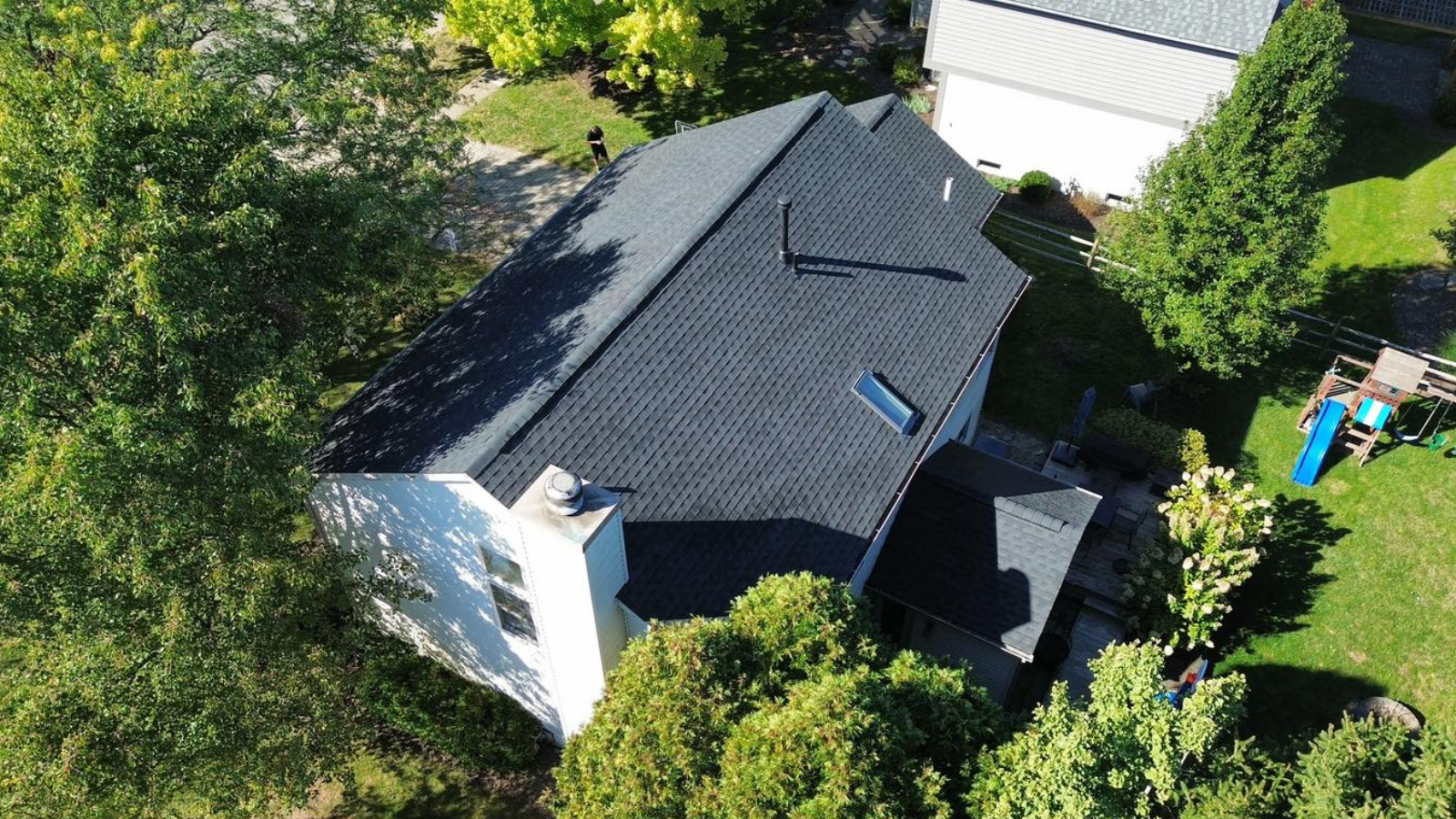
Because of material advancements, many modern asphalt shingles last longer than older versions. However, storms, poor ventilation, or improper installation can shorten the roof lifespan Ohio significantly.
Architectural Shingle Roof Lifespan
Architectural or dimensional shingles offer greater durability and wind resistance.
Typical lifespan: 25 to 35 years
These shingles are thicker, more durable, and designed for harsher climates—giving them a longer roof lifespan Ohio compared to basic shingles.
Metal Roof Lifespan
Metal roofing is increasingly popular due to its longevity and storm resistance.
Typical lifespan: 40 to 70 years
Metal performs exceptionally well in Ohio’s freeze-thaw cycles, making it one of the strongest options for extending roof lifespan Ohio.
Cedar Shake Roof Lifespan
Cedar shake roofs offer beauty and natural insulation, but they require regular upkeep.
Typical lifespan: 20 to 40 years
Moisture, moss growth, and weathering can shorten their lifespan without proper maintenance.
Ohio Weather and Its Impact on Roof Lifespan
Ohio’s climate is one of the biggest factors influencing how long a roof lasts. Rapid temperature shifts, heavy rainfall, lake-effect snow, and strong winds put stress on roofing materials.
Freeze-Thaw Cycles
Frequent freezing and thawing can cause shingles to crack, loosen, or lose granules. These cycles directly impact overall roof lifespan Ohio, especially in northern and central parts of the state.
High Winds
Ohio storms often bring winds strong enough to lift shingles, damage ridge caps, or loosen flashing.
Heavy Snow and Ice Dams
Ice dams trap water beneath shingles, leading to leaks and structural damage if proper ventilation is lacking.
High Humidity
Moisture increases the risk of mold growth, algae streaking, and shingle deterioration—shortening roof lifespan Ohio on poorly ventilated homes.
Understanding these weather challenges helps homeowners appreciate why material choice and installation quality matter so much.
Why Installation Quality Matters
Even the best roofing materials will fail early if installed incorrectly. Poor workmanship is one of the most common reasons Ohio homeowners experience premature roof problems.
Signs of poor installation:
• Misaligned shingles
• Exposed nails
• Improper nailing patterns
• Faulty flashing installation
• Inadequate ventilation
Quality installation extends roof lifespan Ohio, improves home energy efficiency, and minimizes long-term repairs.
The Role of Ventilation in Roof Longevity
Proper attic ventilation helps regulate temperature and moisture levels beneath the roof. Without it, shingles age faster, mold develops, and insulation becomes less effective.
Why Ventilation Matters
- Reduces heat buildup in summer
- Prevents frost and ice problems in winter
- Improves energy efficiency
- Protects roofing materials from premature aging
Ventilation is one of the biggest hidden factors affecting roof lifespan Ohio, and many homeowners don’t realize the impact until issues arise.
Maintenance and Its Effect on Roof Lifespan
Routine maintenance helps homeowners get the full lifespan from their investment. Even small issues can shorten roof lifespan Ohio if left unaddressed.
Recommended Maintenance Tasks
- Inspecting shingles after storms
- Clearing gutters twice per year
- Checking flashing around chimneys and vents
- Looking for granule loss or moss growth
- Scheduling regular professional inspections
Proactive care helps identify issues early and prevents costly repairs later.
When to Replace Instead of Repair
There comes a point when repairs become less effective and a full replacement is more practical. Knowing the signs helps homeowners avoid unnecessary damage.
Signs It’s Time to Replace the Roof
- Bald or curling shingles
- Repeated leaks or patchwork repairs
- Sagging roof deck
- Extensive granule loss
- Severe storm damage
When these signs appear, the roof lifespan Ohio is nearing its end, and a replacement becomes the smarter long-term investment.
How Kerrigan Roofing and Restoration Helps Ohio Homeowners
Kerrigan Roofing and Restoration provides expert guidance, top-tier materials, and certified installation to maximize roof lifespan Ohio for every customer.
What we offer:
• Detailed roof inspections
• Honest assessments
• High-quality shingle and metal roofing options
• Professional ventilation upgrades
• Storm-resistant installation methods
• Long-term warranty protection
Our team ensures your roof is built to withstand Ohio’s demanding climate and protect your home for decades.
Final Thoughts for Ohio Homeowners
The lifespan of a new roof depends on material choices, weather exposure, ventilation, installation quality, and ongoing maintenance. With the right conditions, Ohio homeowners can expect their roof to last 20 to 70 years depending on the materials used.
Understanding roof lifespan Ohio helps homeowners make informed decisions and get the most value out of their roofing investment. Kerrigan Roofing and Restoration is here to help you build a roof that lasts, protects, and performs through every season Ohio brings.