A healthy roofing system depends on more than shingles, flashing, and underlayment. What happens underneath the roof can be just as important. Proper attic ventilation helps regulate temperature, control moisture, protect insulation, and reduce stress on roofing materials. For homeowners, understanding the connection between attic ventilation roof lifespan can help prevent premature deterioration and expensive repairs.
In this guide, we’ll explain how ventilation affects attic ventilation roof lifespan, the warning signs of poor airflow, and the steps homeowners can take to improve attic ventilation.
Understanding attic ventilation roof lifespan can help homeowners make better decisions about maintenance, repairs, and future roof replacements.
Why Attic Ventilation Matters
Attic ventilation creates a balanced flow of air through the attic space. Fresh air enters through intake vents while warm, humid air exits through exhaust vents.
Proper ventilation helps:
- Control attic temperatures
• Reduce moisture buildup
• Protect roof decking
• Improve insulation performance
• Reduce condensation
• Extend roofing material lifespan
The relationship between attic ventilation roof lifespan is especially important because excessive heat and moisture can accelerate roofing deterioration.
How Heat Affects Your Roof
During summer, attic temperatures can become significantly higher than outdoor temperatures. Without adequate ventilation, this heat becomes trapped beneath the roof.
Excessive attic heat can contribute to:
- Premature shingle aging
• Warped roofing materials
• Deteriorated underlayment
• Sealant failure
• Increased thermal stress
Improving ventilation supports a longer attic ventilation roof lifespan by helping excess heat escape from the attic.
How Moisture Damages Roofing Systems
Moisture is another major concern for homeowners.
Warm indoor air can enter the attic and condense against cooler surfaces. Over time, this moisture can contribute to:
- Wood rot
• Mold growth
• Rusted fasteners
• Damaged insulation
• Roof deck deterioration
Controlling moisture is essential for maximizing attic ventilation roof lifespan and protecting the structural components beneath your roof.
Balanced Intake and Exhaust Ventilation
Proper ventilation requires both intake and exhaust airflow.
Intake vents may include:
- Soffit vents
• Fascia vents
• Eave vents
Exhaust ventilation may include:
- Ridge vents
• Static roof vents
• Gable vents
A balanced system improves attic ventilation roof lifespan by allowing fresh air to enter while warm and humid air escapes.
The Role of Ridge Vents
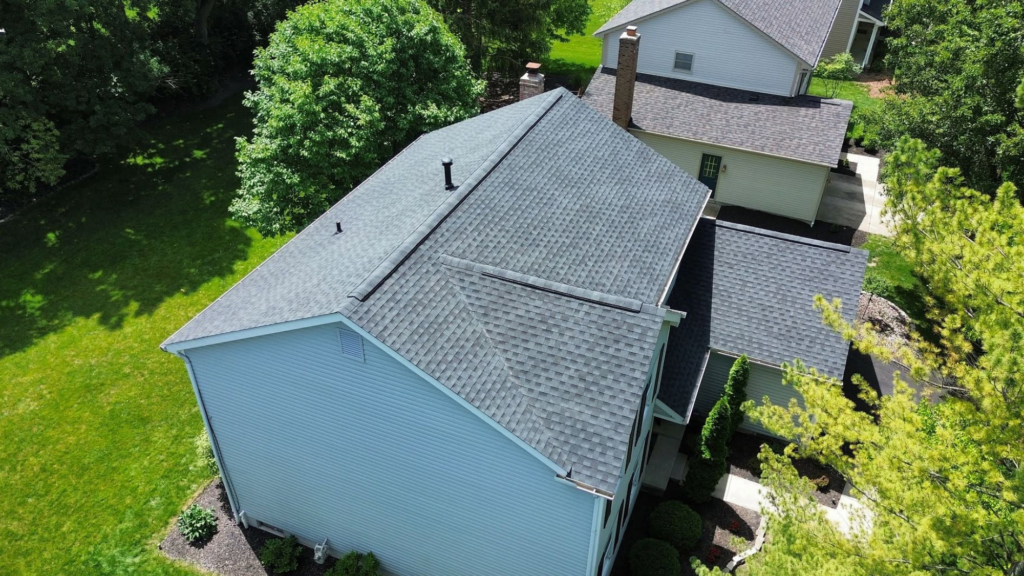
Ridge vents are commonly installed along the highest portion of a roof.
When combined with adequate intake ventilation, ridge vents can help:
- Release hot attic air
• Reduce moisture buildup
• Improve airflow
• Support consistent attic temperatures
Properly designed ridge ventilation can contribute significantly to attic ventilation roof lifespan by reducing the conditions that accelerate roof deterioration.
Why Soffit Vents Are Important
Exhaust vents cannot work effectively without sufficient intake airflow.
Soffit vents allow cooler outside air to enter the attic. This air moves upward as warmer air exits through the exhaust vents.
Blocked or insufficient soffit vents can reduce the effectiveness of the entire ventilation system.
Maintaining clear intake ventilation is therefore essential to maximizing attic ventilation roof lifespan.
Signs of Poor Attic Ventilation
Homeowners may not immediately recognize ventilation problems.
Warning signs can include:
- Excessive attic heat
• Condensation on roof decking
• Mold or mildew growth
• Musty odors
• Rusted nails
• Peeling paint near ceilings
• Damaged insulation
• Premature shingle deterioration
These issues may indicate that poor ventilation is affecting attic ventilation roof lifespan.
Attic Ventilation and Winter Moisture
Ventilation is important during winter as well as summer.
When warm household air enters a cold attic, condensation can develop. If moisture remains trapped, it may damage insulation and wooden components.
Proper ventilation helps:
- Reduce condensation
• Control humidity
• Protect roof decking
• Reduce moisture-related damage
Year-round ventilation supports a healthier attic ventilation roof lifespan by managing both heat and moisture.
Protecting Roof Shingles
Roof shingles are directly exposed to outdoor weather conditions, but attic conditions can also affect their performance.
Excessive heat can cause shingles to age faster, while moisture can contribute to deterioration beneath the roofing system.
Proper ventilation helps preserve roofing materials and supports a longer attic ventilation roof lifespan.
Improving Energy Efficiency
Attic ventilation can also contribute to improved home comfort.
When excessive heat is allowed to escape during warmer months, your cooling system may not have to work as hard to maintain comfortable indoor temperatures.
Benefits may include:
- More consistent indoor temperatures
• Reduced cooling demand
• Improved insulation performance
• Greater household comfort
While ventilation is not a substitute for proper insulation, it is an important component of an efficient roofing system and healthy attic ventilation roof lifespan.
The Importance of Proper Insulation
Ventilation and insulation work together.
Insulation helps slow heat transfer between your living space and attic, while ventilation manages heat and moisture within the attic itself.
A well-designed system should provide:
- Adequate insulation
• Proper intake vents
• Appropriate exhaust vents
• Effective air sealing
Combining these components supports both home comfort and attic ventilation roof lifespan.
Common Ventilation Mistakes
Some attic ventilation problems result from improper design or installation.
Common mistakes include:
- Blocking soffit vents with insulation
• Installing too few intake vents
• Using improperly sized exhaust vents
• Creating unbalanced airflow
• Covering ventilation openings
• Failing to inspect vents regularly
Correcting these issues can improve airflow and protect attic ventilation roof lifespan.
Professional Ventilation Inspections
A professional roofing inspection can identify ventilation problems that homeowners may overlook.
At Kerrigan Roofing and Restoration, an attic evaluation may examine:
- Intake ventilation
• Exhaust ventilation
• Insulation condition
• Moisture levels
• Roof decking
• Signs of heat damage
• Airflow obstructions
A professional assessment helps determine whether your current system is supporting the desired attic ventilation roof lifespan.
Ways to Improve Attic Ventilation
Depending on your home’s design, improvements may include:
- Installing additional soffit vents
• Adding ridge ventilation
• Replacing damaged vents
• Clearing blocked intake openings
• Improving attic insulation
• Sealing unwanted air leaks
The right solution depends on the structure and existing ventilation system.
Regular Maintenance Protects Ventilation
Homeowners should include ventilation in their regular roof maintenance routine.
Recommended steps include:
- Inspecting vents annually
• Keeping soffit openings clear
• Checking for moisture
• Inspecting attic insulation
• Looking for roof deck damage
• Scheduling professional roof inspections
Routine maintenance helps preserve the conditions needed for a longer attic ventilation roof lifespan.
Why Choose Kerrigan Roofing and Restoration
Homeowners trust Kerrigan Roofing and Restoration for professional roofing inspections, repairs, maintenance, and replacement services.
We provide:
- Comprehensive roof inspections
• Attic ventilation evaluations
• Ventilation improvement solutions
• Roof repair services
• Quality roofing materials
• Professional workmanship
• Reliable customer service
Our experienced team helps homeowners address ventilation concerns and protect their investment by improving the factors that influence attic ventilation roof lifespan.
Final Thoughts
Proper attic ventilation is an essential part of a healthy roofing system. By controlling heat and moisture, balanced ventilation helps protect shingles, roof decking, insulation, and other roofing components from premature deterioration.
Understanding the relationship between attic ventilation roof lifespan allows homeowners to recognize warning signs and take action before minor ventilation problems become costly roofing issues.
With proper ventilation, regular inspections, quality insulation, and professional maintenance, homeowners can help extend the life of their roofing system while improving year-round comfort.

SCHEDULE APPOINTMENT
"(Required)" indicates required fields