A properly ventilated roof is essential for maintaining a comfortable, energy-efficient, and durable home. While homeowners often focus on shingles, gutters, and flashing when thinking about roof maintenance, ventilation components also play a major role in protecting the roofing system. One of the most important components is the soffit vent, which allows fresh outdoor air to enter the attic and supports consistent airflow throughout the roof structure.
At Kerrigan Roofing and Restoration, we help homeowners understand how different roofing components work together to protect their properties. Professional soffit vents installation can improve attic airflow, help control moisture, and support the long-term performance of the roofing system. Understanding how these vents function can help homeowners make informed decisions about roof maintenance and ventilation improvements.
What Are Soffit Vents?
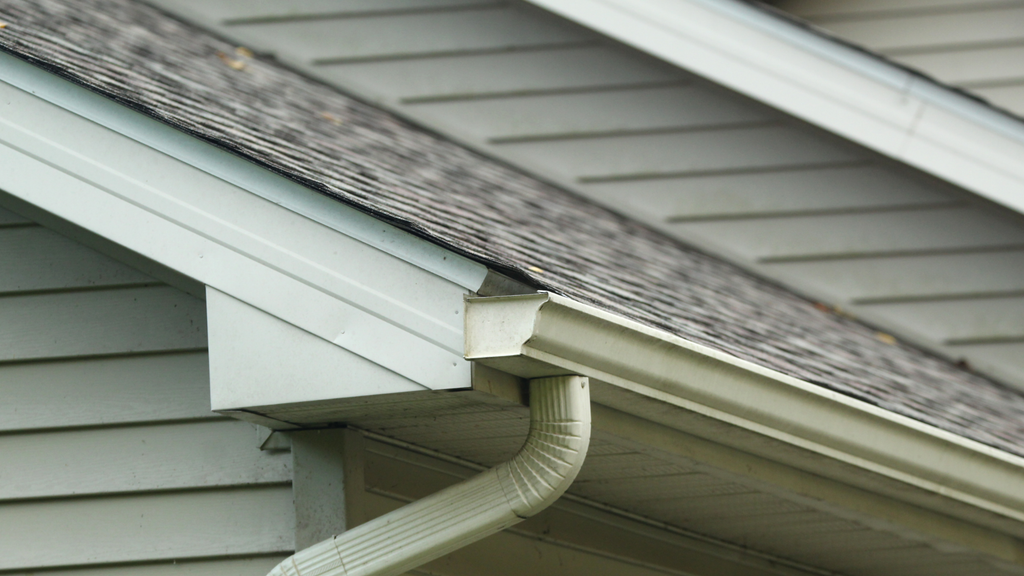
Soffit vents are ventilation openings installed in the soffit, which is the material covering the underside of a roof’s overhang. These vents allow fresh air to enter the attic from outside the home.
They are commonly used as intake vents in a balanced roof ventilation system. As outdoor air enters through the soffit, warmer air can escape through appropriately positioned exhaust vents, such as ridge vents or other approved ventilation outlets.
Proper soffit vents installation helps establish this airflow pattern and can reduce the risk of heat and moisture becoming trapped in the attic.
Soffit vents come in several designs, including continuous vents that extend along the roof’s eaves and individual vents installed at selected intervals. The best option depends on the home’s design, roof structure, and ventilation requirements.
Why Proper Roof Ventilation Matters
Attic ventilation helps manage temperature and moisture conditions beneath the roof. Without sufficient airflow, excessive heat can accumulate during warm weather, while moisture may build up during colder or more humid conditions.
Poor ventilation can contribute to several problems, including:
• Excessive attic temperatures
• Condensation on roof decking and other surfaces
• Moisture-related deterioration
• Mold or mildew growth when conditions allow
• Reduced insulation performance
• Premature deterioration of some roofing materials
A well-designed ventilation system can help manage these risks. Proper soffit vents installation is an important part of the process because intake ventilation provides the fresh air needed for effective airflow.
How Soffit Vents Support Airflow
Soffit vents generally work together with exhaust vents to help move air through the attic. Fresh outdoor air enters through the soffit, travels through available attic ventilation pathways, and exits through suitable exhaust openings.
This process can help remove accumulated heat and moisture from the attic. However, the system must be designed correctly to work as intended.
For example, insulation that blocks the soffit openings can restrict airflow. Likewise, an attic with insufficient exhaust ventilation may not move air effectively.
Professional soffit vents installation should therefore consider the entire ventilation system rather than treating intake vents as isolated components.
Reducing Excessive Attic Heat
During summer, sunlight heats roofing materials and can raise attic temperatures considerably. When hot air cannot escape effectively, attic conditions may contribute to heat transfer into the living spaces below.
Proper ventilation can help remove accumulated heat when outdoor conditions and the system’s design allow. Soffit vents provide the intake airflow needed to support this process.
Although ventilation alone cannot eliminate cooling costs or compensate for inadequate insulation, appropriate soffit vents installation can contribute to a better-performing attic ventilation system.
Homeowners should consider ventilation alongside air sealing, insulation, and HVAC efficiency when looking for ways to improve indoor comfort.
Helping Control Attic Moisture
Moisture management is another important function of roof ventilation. Warm, humid air from bathrooms, kitchens, laundry areas, and living spaces can enter the attic through air leaks. When this air encounters colder surfaces, condensation may develop.
Over time, persistent moisture can damage wood components and insulation while creating conditions that encourage mold growth.
Proper soffit vents installation supports airflow that can help remove moisture from the attic. However, ventilation is not a substitute for controlling indoor humidity, sealing attic air leaks, or directing bathroom and kitchen exhaust outdoors.
A complete assessment can help homeowners identify the combination of improvements needed to manage attic moisture effectively.
Preventing Blocked Ventilation
Even a correctly installed ventilation system can perform poorly if its openings become blocked. Insulation, dust, debris, and other obstructions may prevent air from entering through the soffit.
Homeowners should make sure insulation does not cover intake openings and that appropriate ventilation baffles are installed where necessary. Baffles help preserve an airflow channel between the soffit and attic space.
During soffit vents installation, professionals can assess the existing eaves and determine whether modifications are needed to maintain clear airflow paths.
Periodic inspections can also help identify blockages before they affect ventilation performance.
Choosing the Right Soffit Vents
Soffit vents are available in different sizes, materials, and configurations. Selecting the right type depends on the roof design, soffit construction, local climate, and ventilation requirements.
Important considerations include:
• Available soffit space
• Required ventilation capacity
• Compatibility with existing materials
• Resistance to weather and corrosion
• Protection against insects and pests
• Ease of inspection and maintenance
• Coordination with exhaust vents
The total amount of ventilation should be calculated according to applicable building requirements and the attic’s design. More vents do not automatically produce better airflow if intake and exhaust ventilation are poorly balanced.
Professional soffit vents installation helps ensure that the selected vents suit the home’s specific requirements.
Signs Your Home May Need Soffit Vent Improvements
Homeowners may not notice ventilation problems until other symptoms appear. Excessive attic heat, recurring condensation, damp insulation, musty odors, and signs of moisture damage can indicate that the attic needs further evaluation.
Blocked or missing soffit vents may also be visible from the ground, although some problems require a closer inspection.
These symptoms can have multiple causes, so homeowners should avoid assuming that new vents alone will solve the problem. A professional assessment can determine whether soffit vents installation, improved exhaust ventilation, air sealing, or insulation corrections are appropriate.
When to Schedule Professional Installation
Installing soffit vents may require cutting into existing soffit materials, working at height, and ensuring that the openings are properly positioned and protected. Incorrect installation can damage exterior materials or allow pests and moisture to enter unwanted areas.
Professional soffit vents installation can help homeowners avoid these issues while ensuring that the new intake vents work with the rest of the roof ventilation system.
Homeowners should consider an inspection when replacing a roof, upgrading attic insulation, addressing moisture concerns, or renovating the home’s exterior.
Maintaining Soffit Vents Over Time
Like other exterior components, soffit vents require periodic attention. Dirt, insects, debris, and damaged screens can interfere with airflow or reduce the effectiveness of the vents.
Homeowners should periodically check accessible vents from a safe location and arrange for repairs if openings become damaged or blocked.
Maintenance should also include checking attic insulation and ventilation baffles to make sure intake airflow remains unobstructed.
Regular inspections following soffit vents installation help keep the ventilation system functioning as intended and allow potential problems to be addressed early.
Why Choose Kerrigan Roofing and Restoration
At Kerrigan Roofing and Restoration, we understand that a dependable roofing system involves more than the materials covering the roof. Ventilation, insulation, flashing, and drainage all contribute to the roof’s overall performance.
Our team helps homeowners understand roofing concerns and identify practical solutions suited to their properties. Whether the home needs a ventilation assessment, maintenance, or soffit vents installation, understanding the condition of the existing system is an important first step.
We believe proactive roofing care can help homeowners protect their properties, manage moisture concerns, and maintain reliable roof performance over time.
Final Thoughts
Soffit vents play an important role in residential roof ventilation by allowing fresh outdoor air to enter the attic. When properly coordinated with exhaust vents, insulation, and air sealing, they can help manage heat and moisture while supporting the long-term condition of the roofing system.
Professional soffit vents installation can improve the effectiveness of a home’s ventilation system when the existing intake airflow is inadequate or improperly configured. Regular inspections and maintenance help ensure that vents remain clear and functional.