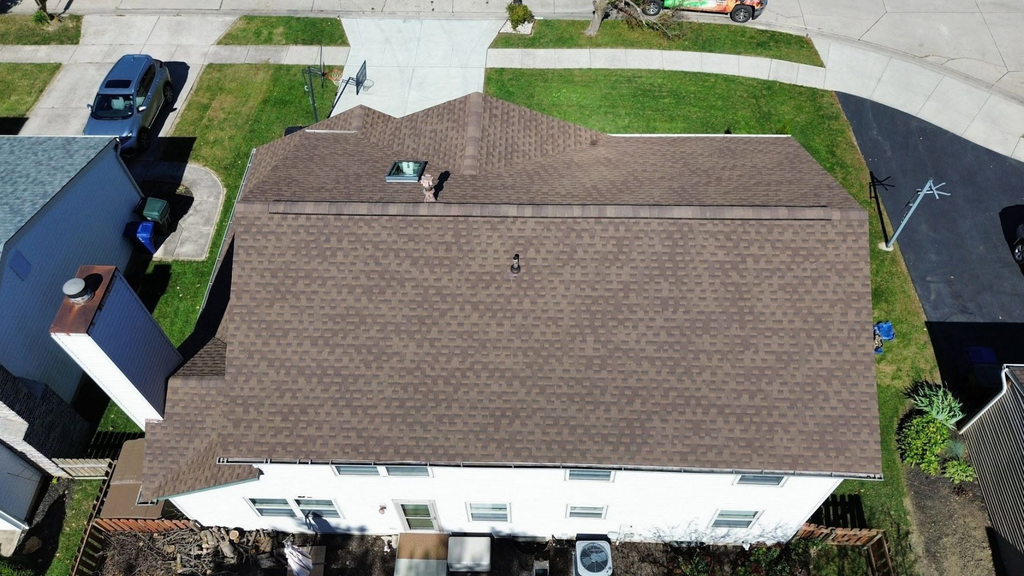
A clean roof does more than improve a home’s curb appeal. Regular roof maintenance helps homeowners identify potential problems, prevent excessive debris buildup, and protect roofing materials from premature deterioration. Leaves, branches, moss, algae, and dirt can accumulate over time, affecting the appearance and condition of the roofing system.
However, cleaning a roof requires care. Using the wrong equipment, harsh chemicals, or excessive water pressure can damage shingles and create serious safety hazards. Understanding safe roof cleaning methods helps homeowners maintain their roofs without causing unnecessary damage.
Why Roof Cleaning Matters
Roofs are continuously exposed to changing weather conditions, including rain, wind, sunlight, and seasonal debris. Over time, these conditions can contribute to the accumulation of dirt, organic material, and biological growth.
Regular maintenance helps homeowners identify these concerns before they become more serious. Using safe roof cleaning methods can also help maintain the appearance of roofing materials without shortening their useful life.
Benefits of proper roof cleaning include:
• Removing loose leaves and debris
• Improving the appearance of the home
• Identifying visible roofing damage
• Reducing excessive organic buildup
• Helping maintain proper roof drainage
• Supporting long-term roofing maintenance
Roof cleaning should be performed only when necessary and with techniques appropriate for the roofing material.
Inspect the Roof Before Cleaning
Before beginning any cleaning project, homeowners should evaluate the roof’s general condition from the ground. Look for missing shingles, damaged flashing, sagging areas, fallen branches, or other visible signs of deterioration.
If the roof appears damaged, cleaning should be postponed until the condition can be evaluated by a professional. Walking on a weakened roof may worsen existing problems and create a serious fall hazard.
One of the most important safe roof cleaning methods is conducting a preliminary inspection without climbing onto the roof. Binoculars or photographs taken from a safe location may help homeowners identify visible concerns.
Remove Loose Debris Carefully
Leaves, twigs, pine needles, and other debris can collect around roof valleys, behind chimneys, and near drainage areas. Excessive buildup may retain moisture and interfere with the movement of rainwater.
Loose debris should be removed carefully without scraping, pulling, or disturbing shingles. Homeowners should avoid climbing onto steep or slippery roofs to perform this work.
Using safe roof cleaning methods means prioritizing personal safety and protecting the roofing materials. If debris is difficult to reach or has accumulated heavily, a professional roofing contractor can determine the safest way to remove it.
Avoid High-Pressure Washing
Pressure washers can seem like an effective way to remove dirt and biological growth quickly. However, high-pressure water can damage shingles, remove protective granules, force water beneath roofing materials, and affect flashing or other vulnerable components.
For many asphalt shingle roofs, high-pressure washing is not an appropriate cleaning method.
Instead, safe roof cleaning methods should use techniques recommended for the specific roofing material. Homeowners should follow the manufacturer’s maintenance guidance and avoid aggressive scrubbing or equipment that could compromise the roof’s protective surface.
The goal is to remove unwanted buildup without damaging the roofing system.
Address Moss and Algae Carefully
Moss and algae can develop on roofs in damp, shaded areas. Algae may appear as dark streaks, while moss often forms thicker green patches that can retain moisture.
Moss can lift or disturb shingles as it grows, making careful removal important. Scraping aggressively or pulling moss away by hand can damage the roofing surface.
Appropriate safe roof cleaning methods may involve cleaning products specifically approved for the roofing material. Homeowners should follow product instructions and avoid mixing chemicals, using unapproved treatments, or applying excessive concentrations.
If moss is widespread or firmly attached, professional cleaning can help reduce the risk of damaging the roof.
Choose the Right Cleaning Approach for Your Roof
Different roofing materials have different cleaning requirements. Asphalt shingles, metal roofing, tile, slate, and wood shakes may respond differently to cleaning solutions and physical contact.
For example, a cleaning technique suitable for one roofing material may damage another. Some surfaces may require specialized products or handling to prevent discoloration, deterioration, or water intrusion.
The best safe roof cleaning methods are based on the manufacturer’s recommendations and the roof’s existing condition.
Homeowners should also consider the roof’s age. Older or deteriorating roofing materials may be more vulnerable to damage and may require professional evaluation before cleaning.
Protect Gutters and Landscaping
Roof cleaning can cause debris and cleaning runoff to enter gutters and reach the surrounding landscape. Leaves, moss, and other material may accumulate in downspouts and interfere with drainage.
Before cleaning, homeowners should consider how runoff will be managed and whether nearby plants, outdoor furniture, and walkways need protection.
Using safe roof cleaning methods includes protecting the entire property, not just the roofing surface. Cleaning should not leave gutters clogged or allow chemicals to reach landscaping unnecessarily.
After the work is completed, gutters and downspouts should be checked for blockages when it is safe to do so.
Use Roof-Safe Cleaning Products
Not every household cleaning product is suitable for roofing materials. Certain chemicals can discolor surfaces, damage metal components, affect nearby plants, or interfere with manufacturer warranties.
Homeowners should select products specifically intended for their roofing material and follow all label instructions. Mixing cleaning chemicals can create dangerous reactions and should be avoided.
Effective safe roof cleaning methods rely on appropriate products, proper application, and careful handling. When a product’s compatibility is unclear, homeowners should seek professional advice before applying it.
Consider the Weather Before Cleaning
Weather conditions affect both cleaning effectiveness and personal safety. Wet roofing materials can become extremely slippery, while strong winds can make ladders and equipment dangerous to use.
Cleaning during extreme heat may also cause some surfaces or cleaning solutions to dry too quickly, depending on the product instructions.
Choosing suitable weather conditions is an important part of safe roof cleaning methods. Homeowners should postpone work during rain, storms, icy conditions, or strong winds.
Even in favorable weather, climbing onto a roof carries risks. Professional assistance is often the safer choice for elevated or steep surfaces.
Know When Professional Roof Cleaning Is Safer
Some roof maintenance can be handled from the ground, but roof cleaning often involves heights, slippery surfaces, and unfamiliar materials. A mistake can result in serious injury or costly damage.
Professional roofers can assess the roofing system, select suitable cleaning techniques, and identify damage that may otherwise go unnoticed.
Professional assistance is especially valuable for steep roofs, multistory homes, extensive moss growth, fragile materials, or areas that are difficult to access.
Choosing professional safe roof cleaning methods can help homeowners maintain their roofs while reducing the risk of accidents and unnecessary repairs.
Roof Cleaning and Regular Maintenance
Cleaning should be part of a broader roof maintenance routine rather than an occasional cosmetic project. Homeowners should periodically inspect visible roofing materials, keep gutters clear, trim overhanging branches, and address signs of water intrusion.
Regular maintenance can help reveal problems early and support the overall condition of the roofing system.
Combining inspections with safe roof cleaning methods allows homeowners to maintain their property’s appearance while remaining attentive to its structural protection.
The appropriate cleaning frequency depends on the roof’s material, surrounding trees, local climate, and the amount of debris or biological growth present.
Why Choose Kerrigan Roofing and Restoration
At Kerrigan Roofing and Restoration, we understand that proper roof maintenance is essential to protecting a home’s value and performance. Cleaning should never come at the expense of roofing integrity or homeowner safety.
Our team helps homeowners understand roofing concerns and determine when professional inspection, maintenance, or repairs may be necessary. We emphasize appropriate safe roof cleaning methods that account for the roofing material, existing damage, and the conditions surrounding the property.
With professional guidance and consistent maintenance, homeowners can make informed decisions about preserving their roofs and avoiding preventable problems.
Final Thoughts
Roof cleaning can improve curb appeal and help homeowners maintain their roofing systems, but the process must be approached carefully. Aggressive scrubbing, high-pressure washing, unsuitable chemicals, and unsafe climbing practices can cause more harm than good.
The most effective safe roof cleaning methods focus on the roofing material, remove debris carefully, control moss and algae appropriately, and prioritize personal safety. Regular inspections and timely repairs are equally important for identifying problems before they become more expensive.