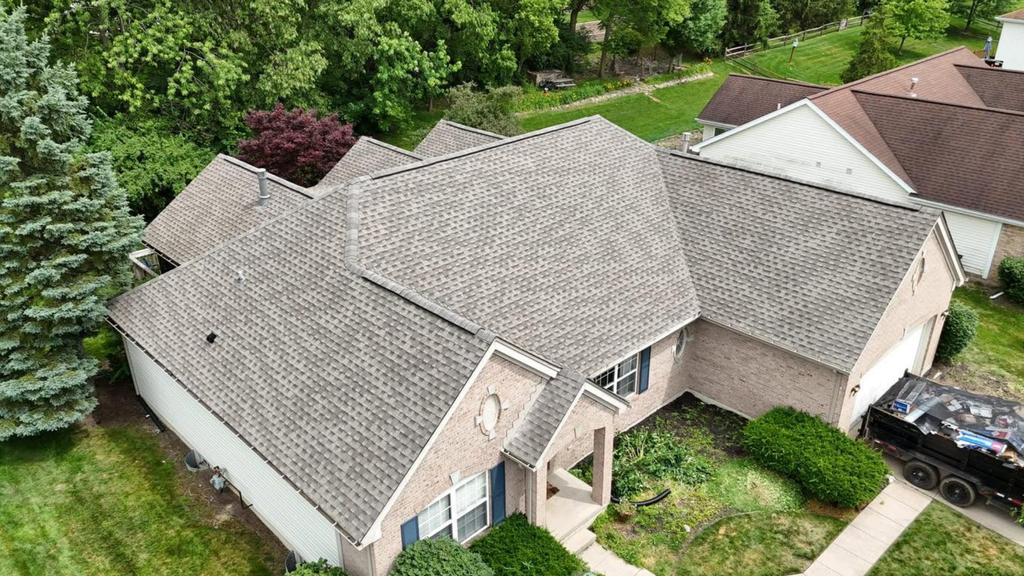
A residential roof is one of the most important protective systems in a home. It shields the structure from rain, wind, sunlight, snow, and changing outdoor conditions. Over time, however, even a well-installed roof can develop wear and damage. Regular preventive maintenance can help homeowners identify these problems early and keep the roofing system performing properly.
Homeowners who want to extend their roof’s lifespan should make roof maintenance a priority, focusing on consistent inspections, timely repairs, proper drainage, and keeping the roof and surrounding areas in good condition. Small maintenance tasks can often prevent minor issues from developing into expensive roofing problems.
Why Preventive Roof Maintenance Matters
Roof problems rarely improve when they are ignored. A small crack, loose shingle, clogged gutter, or damaged flashing can eventually allow moisture to enter the roofing system.
Preventive maintenance gives homeowners an opportunity to identify these issues before they become more serious. The goal of extend roof lifespan maintenance is not simply to make repairs when something goes wrong but to reduce the likelihood of major problems occurring in the first place.
Regular care can help:
• Identify minor damage early
• Reduce the risk of water intrusion
• Protect roofing materials
• Maintain proper drainage
• Prevent small repairs from becoming larger projects
• Support the overall lifespan of the roof
Schedule Regular Roof Inspections
One of the most important parts of preventive maintenance is having the roof inspected regularly. A professional inspection can identify problems that may not be visible from the ground.
Roof inspections can evaluate shingles, flashing, vents, valleys, roof edges, gutters, and other components. Inspections are especially important after severe weather or when a roof begins to show signs of aging.
Regular inspections are a key part of roof maintenance because they allow homeowners to address developing problems before they affect larger portions of the roofing system.
Keep Gutters and Downspouts Clear
Gutters play an important role in directing rainwater away from the roof and foundation. When gutters become clogged with leaves, twigs, and other debris, water may back up against the roof.
Standing or overflowing water can contribute to moisture damage, deteriorated fascia, damaged soffits, and other problems.
Keeping gutters and downspouts clean should therefore be part of any extend roof lifespan maintenance plan. Homeowners should also make sure downspouts direct water safely away from the foundation.
Watch for Damaged or Missing Shingles
Shingles provide the first layer of defense against weather. Strong winds, falling branches, hail, aging, and repeated exposure to the elements can damage them.
Homeowners should periodically look for missing, cracked, curled, or lifted shingles. Because some damage may be difficult to identify from ground level, professional inspections are useful.
Replacing damaged roofing materials promptly is an important part of extend roof lifespan maintenance. Addressing a small damaged area can help prevent water from reaching the layers underneath.
Maintain Roof Flashing
Flashing is installed around vulnerable areas such as chimneys, skylights, vents, walls, and roof transitions. These locations require careful protection because they can become potential entry points for water.
Damaged, loose, or deteriorated flashing can allow moisture to enter the roofing system.
During preventive maintenance, flashing should be checked for signs of movement, deterioration, or improper sealing. Maintaining these components is another important part of roof maintenance and protecting the home from leaks.
Trim Trees Around the Roof
Trees provide shade and beauty, but branches that hang over the roof can create maintenance problems. During storms, branches may break and fall onto roofing materials.
Overhanging branches can also drop leaves, needles, and other debris onto the roof and into gutters. Constant contact between branches and roofing materials may cause additional wear.
Keeping nearby trees properly trimmed can support extend roof lifespan maintenance by reducing the amount of debris and physical contact affecting the roofing system.
Keep the Roof Free of Excessive Debris
Leaves, branches, dirt, and other debris can accumulate on a roof, especially around valleys and areas with limited drainage.
When debris remains on the roof for extended periods, it can retain moisture and interfere with water runoff. Organic material can also encourage moss or algae growth in suitable conditions.
Removing debris carefully or arranging for professional roof cleaning when necessary can contribute to extend roof lifespan maintenance and help preserve roofing materials.
Pay Attention to Roof Ventilation
Proper attic ventilation helps regulate temperature and moisture conditions beneath the roof. Poor ventilation can contribute to excessive attic heat, condensation, moisture buildup, and premature deterioration of some roofing components.
Homeowners should make sure soffit, ridge, gable, or other ventilation components remain functional and unobstructed.
Including ventilation checks in your roof maintenance plan can help homeowners identify attic conditions that may affect the roofing system over time.
Address Small Leaks Quickly
A small roof leak should never be treated as an insignificant problem. Water can travel beneath roofing materials and reach insulation, decking, walls, ceilings, and other parts of the home.
By the time a water stain appears inside the house, moisture may have already affected areas that are not immediately visible.
Prompt repairs are therefore essential to extend roof lifespan maintenance. Addressing leaks early can help limit the scope of damage and protect the structural components beneath the roof.
Prepare the Roof for Severe Weather
Storms can place significant stress on roofing systems. Strong winds, heavy rain, hail, and falling branches can cause sudden damage.
Before severe weather seasons, homeowners can reduce risks by making sure the roof is in good condition, gutters are clear, trees are properly maintained, and existing damage has been addressed.
Storm preparation is an important part of extend roof lifespan maintenance because a roof in good condition may be better prepared to handle normal weather exposure.
Know When Professional Maintenance Is Needed
Some maintenance tasks are suitable for homeowners, such as visually checking the property from the ground and keeping accessible gutters clear when it is safe. However, climbing onto a roof can be dangerous, and some roofing problems require professional expertise.
Professional roofers can safely inspect difficult-to-reach areas and identify problems that may not be obvious to homeowners.
Professional assistance is especially valuable when homeowners want to extend roof lifespan maintenance through a comprehensive inspection and repair plan.
Create a Consistent Maintenance Schedule
Preventive maintenance works best when it becomes part of a regular home-care routine. Instead of waiting for a leak or major storm to reveal a problem, homeowners should periodically inspect the roof and surrounding components.
A maintenance schedule can include:
• Regular professional roof inspections
• Gutter and downspout cleaning
• Tree and branch maintenance
• Checking visible roofing materials
• Inspecting flashing and roof penetrations
• Monitoring attic ventilation
• Addressing leaks promptly
• Checking the roof after severe weather
Consistency is one of the most effective principles behind successful roof maintenance.
Why Choose Kerrigan Roofing and Restoration
At Kerrigan Roofing and Restoration, we understand that homeowners want their roofs to provide dependable protection for as long as possible. Preventive maintenance allows potential problems to be identified before they become more extensive and costly.
Our team can help homeowners throughout the Columbus and Dayton area evaluate the condition of their roofing systems and determine what maintenance or repairs may be appropriate. From inspections and storm-related concerns to general roof maintenance, we focus on solutions that support the long-term performance of the home.
A proactive approach to extend roof lifespan maintenance can help homeowners protect their investment and avoid preventable roofing problems.
Final Thoughts
A roof does not have to be replaced simply because it has experienced normal weather exposure. With proper care, regular inspections, timely repairs, and attention to surrounding components, homeowners can help maximize the useful life of their roofing systems.
The goal of extend roof lifespan maintenance is to identify potential problems early and maintain the components that keep the roof functioning properly. Clean gutters, healthy ventilation, maintained flashing, properly trimmed trees, and prompt leak repairs can all contribute to long-term roof performance.