Homeowners often look for ways to reduce energy costs without sacrificing indoor comfort. While insulation, windows, and efficient heating and cooling systems receive plenty of attention, the roof ventilation system can also have an important impact on how efficiently a home operates. Proper ventilation helps regulate attic conditions and can reduce the workload placed on heating and cooling equipment.
Understanding roof ventilation energy savings can help homeowners recognize why attic airflow is an important part of overall home performance. A properly designed ventilation system helps move excess heat and moisture out of the attic while allowing fresh air to enter where appropriate.
How Roof Ventilation Works
A properly ventilated attic typically relies on a balanced combination of intake and exhaust ventilation. Intake vents allow fresh outdoor air to enter the attic, while exhaust vents allow warm, moist air to escape.
Common ventilation components include:
• Soffit vents
• Ridge vents
• Gable vents
• Intake vents
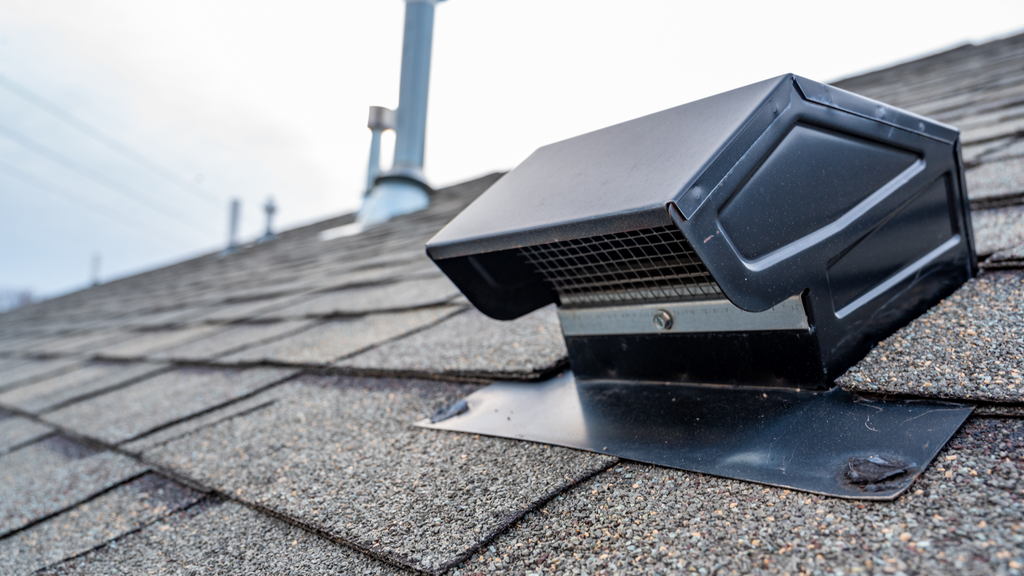
• Powered attic ventilators
• Static exhaust vents
The right configuration depends on the home’s design, roof structure, attic layout, and existing ventilation system.
When airflow is properly balanced, homeowners can experience the benefits associated with roof ventilation energy savings while also helping protect roofing materials and insulation.
Reducing Excess Heat in the Attic
During warm weather, sunlight can cause attic temperatures to rise significantly. Without adequate ventilation, that heat can remain trapped beneath the roof.
The heat can eventually affect the temperature of the living areas below, particularly when insulation or air sealing is inadequate.
Proper ventilation helps remove accumulated hot air and replace it with cooler outside air when conditions allow. This can support roof ventilation energy savings by helping reduce the amount of heat transferred from the attic into the home.
A cooler attic does not eliminate the need for air conditioning, but it can contribute to a more manageable indoor environment.
Reducing the Workload on Air Conditioning
When an attic becomes excessively hot, the home’s cooling system may need to work harder to maintain the desired indoor temperature. Longer cooling cycles can contribute to higher energy consumption.
Improving attic airflow can help reduce heat buildup and support more efficient cooling performance.
This is one reason roof ventilation energy savings can be particularly valuable during hot weather. By helping manage attic temperatures, proper ventilation may reduce some of the heat load affecting the home.
Homeowners should remember that ventilation works best as part of a complete roofing and building-envelope system that also includes appropriate insulation and air sealing.
Supporting Insulation Performance
Insulation helps slow the transfer of heat between the attic and the living areas below. However, insulation can perform poorly when moisture accumulates or when installation problems create gaps and compressed areas.
Proper ventilation can help control moisture and improve attic conditions, supporting the long-term performance of insulation.
When insulation and ventilation work together, homeowners can gain greater benefits from their home’s energy-efficiency measures. This combination can contribute to roof ventilation energy savings throughout the year.
Managing Moisture in the Attic
Energy efficiency is not the only reason attic ventilation matters. Moisture control is another important consideration.
Warm, moist air from kitchens, bathrooms, and living spaces can migrate into the attic. If that moisture becomes trapped, it can contribute to condensation, mold growth, wood deterioration, and insulation problems.
A properly designed ventilation system can help move moisture-laden air out of the attic.
Maintaining appropriate attic conditions supports the overall roofing system while contributing to long-term roof ventilation energy savings.
Roof Ventilation During Winter
Roof ventilation is also important during colder months. Winter conditions can create moisture and condensation problems in poorly ventilated attics.
Warm indoor air can rise toward the attic and meet colder roof surfaces. If moisture becomes trapped, condensation can form.
Proper ventilation helps maintain airflow through the attic and can reduce moisture accumulation. It can also help minimize conditions that contribute to ice-related roofing problems in colder climates.
Although roof ventilation energy savings are often associated with summer cooling, proper attic ventilation can provide important year-round benefits.
Protecting Roofing Materials
Excessive heat and moisture can contribute to premature deterioration of roofing materials. Shingles, roof decking, insulation, and structural components can all be affected by poor attic conditions.
By helping regulate temperature and moisture, ventilation can support the service life of the roofing system.
A longer-lasting roof can reduce the frequency of major repairs and replacements, adding another indirect benefit to roof ventilation energy savings.
Signs Your Attic May Need Better Ventilation
Homeowners may notice several warning signs when attic ventilation is inadequate.
Potential indicators include:
• Excessive attic heat
• Condensation or moisture
• Mold or mildew growth
• Damp insulation
• Musty odors
• Premature roofing deterioration
• Uneven indoor temperatures
• Excessive cooling costs
These signs do not automatically mean that ventilation is the problem. A professional evaluation can help determine whether ventilation, insulation, air sealing, or another issue needs attention.
Addressing ventilation problems can support both roof performance and roof ventilation energy savings.
The Importance of Balanced Ventilation
Adding more vents does not necessarily create a better ventilation system. Attic ventilation needs to be properly balanced so that air can enter and exit effectively.
For example, adding exhaust vents without sufficient intake ventilation may prevent the system from operating as intended. Blocking soffit vents with insulation can also restrict airflow.
Professional assessment can help homeowners determine whether their existing system is properly configured.
A balanced ventilation system is essential for achieving the potential benefits of roof ventilation energy savings.
Ventilation and Energy-Efficient Home Improvements
Roof ventilation should be considered alongside other energy-efficiency improvements. Insulation, air sealing, efficient windows, doors, HVAC equipment, and roofing materials all influence how efficiently a home uses energy.
Homeowners should avoid treating ventilation as a standalone solution. Instead, it should be part of a comprehensive approach to improving the building envelope.
When these systems work together, homeowners can improve comfort and potentially achieve greater roof ventilation energy savings over time.
When to Have Your Roof Ventilation Inspected
Homeowners should consider having their attic ventilation evaluated when replacing a roof, upgrading insulation, experiencing moisture problems, or noticing unusually high heating or cooling costs.
A professional inspection can identify blocked vents, inadequate intake airflow, damaged components, or ventilation configurations that may need improvement.
Regular evaluation can help homeowners maintain conditions that support roofing performance and roof ventilation energy savings.
Why Choose Kerrigan Roofing and Restoration
At Kerrigan Roofing and Restoration, we understand that a roof is more than the shingles visible from outside the home. Ventilation, insulation, flashing, decking, and other components all contribute to the performance of the complete roofing system.
Our team helps homeowners identify roofing and attic concerns and understand the solutions available for their properties. Proper ventilation can support roof longevity, moisture management, indoor comfort, and roof ventilation energy savings.
We believe that proactive roofing care can help homeowners avoid unnecessary problems and maintain better-performing homes.
Final Thoughts
Proper roof ventilation can play an important role in maintaining a comfortable and efficient home. By helping remove excess heat and moisture from the attic, a balanced ventilation system can reduce stress on the home’s cooling system, support insulation performance, and protect roofing materials.
The benefits of roof ventilation energy savings can extend beyond monthly utility costs. Proper ventilation can also contribute to better attic conditions, improved roof longevity, and greater overall home comfort.