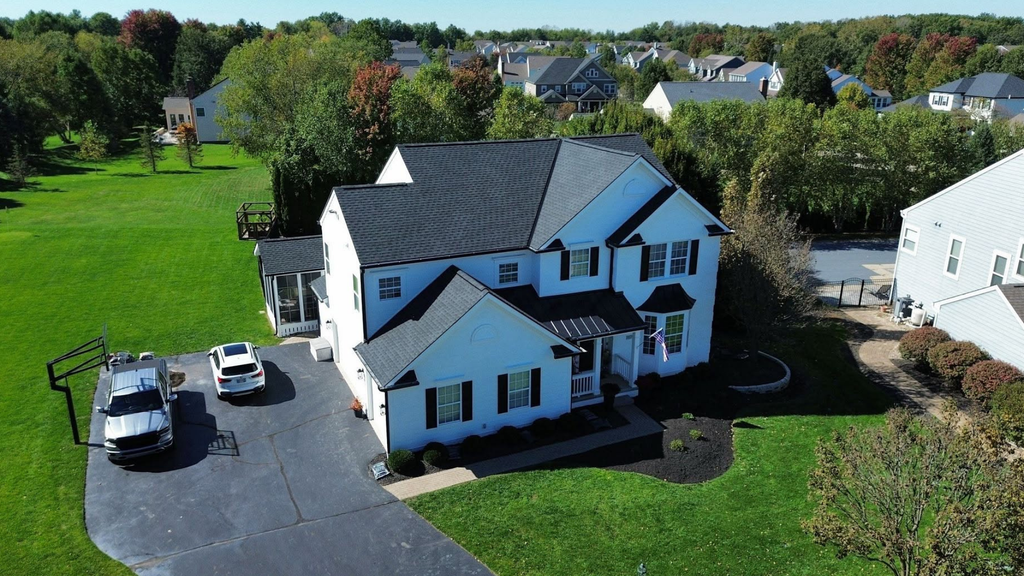
Your roof is one of the most important components of your home, providing protection against rain, wind, snow, and changing temperatures. However, roofing problems can develop gradually and may not always be visible from the ground. Missing shingles, deteriorating flashing, moisture damage, and ventilation issues can affect your roof’s performance if they are not identified early.
For homeowners in Greater Dayton and Columbus, Ohio, regular roof inspections are particularly important because seasonal weather conditions can place significant stress on roofing systems. At Kerrigan Roofing and Restoration, we understand that homeowners want to know what to expect when scheduling a roofing inspection. Understanding the professional roof inspection process can help you recognize the value of preventive maintenance, identify potential problems, and make informed decisions about your home’s roofing system.
Why Professional Roof Inspections Matter
A professional roof inspection involves evaluating the condition of your roofing system to identify damage, wear, and potential maintenance concerns. While homeowners can perform basic visual checks from the ground, a trained roofing professional can examine areas that may require specialized knowledge and equipment.
The professional roof inspection process helps homeowners identify roofing concerns before they develop into expensive repairs. Routine inspections may also provide useful information about the roof’s remaining service life and whether maintenance or replacement should be considered.
Benefits of professional roof inspections include:
- Identifying damaged or missing roofing materials
- Detecting potential leaks and moisture-related problems
- Evaluating flashing and roof penetrations
- Checking gutters and drainage components
- Assessing attic ventilation
- Helping homeowners plan future maintenance and repairs
A thorough inspection provides a clearer understanding of the roof’s condition and helps prioritize necessary work.
Reviewing the Roof’s History
The professional roof inspection process often begins with gathering information about the home’s roofing system. Before examining the roof, a contractor may ask homeowners about previous repairs, known leaks, installation dates, and recent storm damage.
This background information helps the inspector understand whether certain areas may require additional attention.
Important details may include:
- The approximate age of the roof
- The type of roofing material installed
- Previous roof repairs or replacements
- Known water leaks or ceiling stains
- Recent exposure to strong winds, hail, or heavy snow
- Any recurring maintenance concerns
For homeowners in Greater Dayton and Columbus, this information can be particularly helpful because Ohio weather may contribute to seasonal roofing problems. Understanding the roof’s history allows the inspector to focus on areas that may be more vulnerable.
Examining Roofing Materials
One of the main stages of the professional roof inspection process is evaluating the visible condition of the roofing materials. Depending on the roof type, the inspector may look for missing shingles, cracked tiles, deteriorated panels, damaged seams, or other signs of wear.
For asphalt shingle roofs, common concerns include:
- Missing or loose shingles
- Curling or buckling shingles
- Cracked or damaged surfaces
- Excessive granule loss
- Visible signs of aging
- Areas where roofing materials appear uneven
For metal roofing systems, the inspector may evaluate seams, fasteners, surface corrosion, and damaged panels.
The condition of the roofing materials can provide important information about the roof’s overall performance. However, a single damaged shingle does not necessarily mean the entire roof needs replacement. A professional assessment helps determine whether localized repairs or broader maintenance may be appropriate.
Inspecting Flashing and Roof Penetrations
Flashing is designed to help prevent water from entering areas where roofing materials meet walls, chimneys, skylights, vents, and other structures.
Because these locations are particularly vulnerable to moisture intrusion, examining flashing is an essential part of the professional roof inspection process.
The inspector may check for:
- Loose or damaged flashing
- Deteriorated sealant
- Gaps around roof penetrations
- Corrosion or rust
- Improperly installed flashing
- Signs of water intrusion near chimneys or skylights
Flashing problems can lead to leaks even when the surrounding shingles or roofing materials appear to be in good condition.
Addressing these concerns promptly helps protect the roof deck, insulation, and interior portions of the home.
Evaluating Gutters and Roof Drainage
Proper drainage helps prevent water from accumulating on the roof or flowing into vulnerable areas of the property. During the professional roof inspection process, the contractor may examine gutters, downspouts, and drainage pathways.
Common drainage concerns include clogged gutters, loose brackets, sagging sections, leaking joints, and improperly positioned downspouts.
The inspector may also look for debris buildup in roof valleys and other areas where water should flow freely.
For homeowners in Dayton and Columbus, maintaining effective drainage is especially important during spring rainstorms and fall leaf accumulation. Poor drainage can contribute to moisture damage along roof edges, siding, and foundations.
A professional inspection can identify drainage problems that may need cleaning, repair, or adjustment.
Checking the Attic and Roof Ventilation
The attic provides valuable information about the roof’s condition. When access is available and conditions are safe, the professional roof inspection process may include examining the attic for signs of moisture, ventilation problems, or structural concerns.
The inspector may look for:
- Water stains on roof decking
- Damp or compressed insulation
- Mold-like growth or persistent moisture
- Condensation
- Blocked ventilation openings
- Signs of inadequate airflow
- Unusual daylight visible through roof openings
Proper attic ventilation helps manage heat and moisture. Poor ventilation can contribute to condensation, excessive attic temperatures, and premature deterioration of roofing components.
The inspector may also evaluate whether insulation and ventilation conditions appear suitable for the home’s design.
If moisture is discovered, determining its source is important. It may result from a roof leak, condensation, or another building-related issue.
Identifying Structural Concerns
A professional roof inspection may also include evaluating visible structural components. The inspector may look for sagging roof sections, uneven surfaces, damaged decking, or other signs that could indicate a structural concern.
These issues should be taken seriously because they may affect the roof’s stability and the home’s protection.
The professional roof inspection process may identify warning signs such as:
- Sagging rooflines
- Deteriorated roof decking
- Damaged fascia or soffit
- Visible wood rot
- Unusual changes in roof shape
- Areas affected by prolonged moisture exposure
Not every visible irregularity indicates a structural failure. A qualified professional can determine whether further evaluation or repair is necessary.
Preparing an Inspection Report
After examining the roof, the contractor typically communicates the findings to the homeowner. The professional roof inspection process may conclude with a written report, photographs, or a summary of identified conditions.
A useful inspection report may include:
- The general condition of the roof
- Areas showing visible damage or wear
- Recommended maintenance or repairs
- Potential moisture or ventilation concerns
- Observations about gutters and drainage
- Suggested next steps
The report helps homeowners understand which concerns require immediate attention and which can be monitored over time.
A professional inspection does not automatically mean that repairs or replacement are necessary. The recommendations should reflect the actual condition of the roofing system.
When Should Homeowners Schedule a Roof Inspection?
Homeowners should consider scheduling roof inspections at least once a year, depending on the roof’s age, condition, and maintenance needs. Inspections are also useful after severe storms, particularly when strong winds, hail, or falling branches may have damaged roofing materials.
Additional reasons to schedule an inspection include:
- Discovering water stains on ceilings
- Noticing missing or damaged shingles
- Experiencing recurring roof leaks
- Preparing to purchase or sell a home
- Maintaining an aging roofing system
- Planning a roof replacement
Regular inspections can help homeowners in Greater Dayton and Columbus maintain their roofing systems and prepare for seasonal weather conditions.
Why Choose Kerrigan Roofing and Restoration
Kerrigan Roofing and Restoration understands the importance of keeping residential roofs in good condition throughout Ohio’s changing seasons. Our approach emphasizes identifying roofing concerns, explaining inspection findings, and helping homeowners understand appropriate maintenance and repair options.
The professional roof inspection process provides valuable information about your roof’s condition and helps you make informed decisions about protecting your home.
Whether you need a routine inspection, an assessment after a storm, or guidance regarding an aging roof, professional roofing support can help you identify concerns before they become more extensive.
Final Thoughts
A professional roof inspection is an important part of maintaining your home’s exterior. From reviewing roofing materials and flashing to evaluating drainage, attic ventilation, and structural conditions, each step helps provide a clearer picture of the roof’s performance.
Understanding the professional roof inspection process allows homeowners to recognize the importance of preventive maintenance and timely repairs.