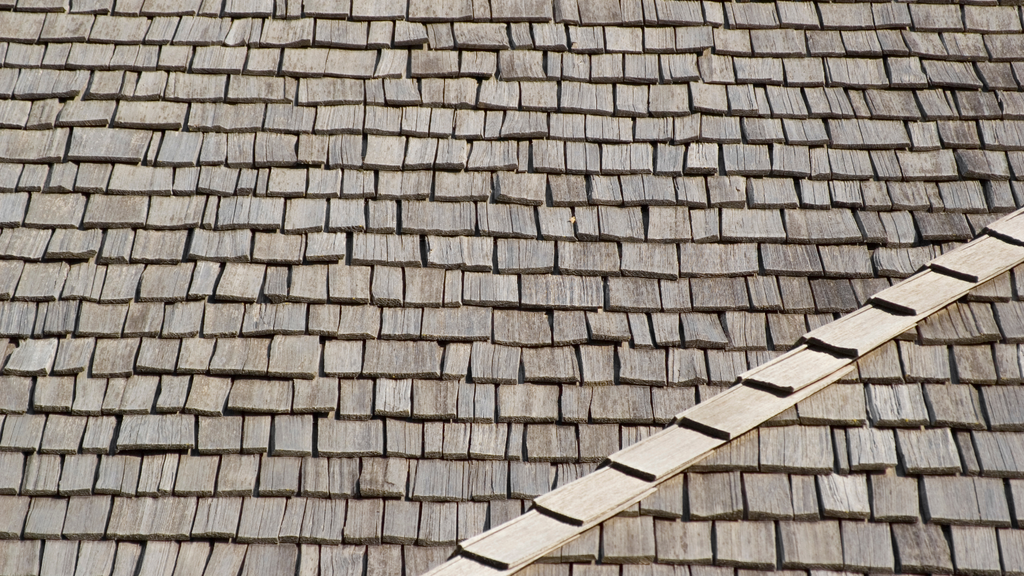
Homeowners in Greater Dayton and Columbus, Ohio, often look for roofing materials that provide durability, attractive curb appeal, and dependable protection while also supporting environmentally responsible choices. Cedar shake roofing is a popular option for homeowners who appreciate the natural appearance of wood and its potential environmental advantages. Made from cedar wood, these roofing materials offer a distinctive look that complements many architectural styles.
At Kerrigan Roofing and Restoration, we understand that choosing a roofing material involves more than appearance and cost. Homeowners may also consider sustainability, resource use, energy efficiency, and long-term performance. Understanding the cedar shake environmental benefits can help homeowners make informed decisions when planning a roof installation or replacement. Although cedar is a natural material, its overall environmental impact depends on responsible sourcing, maintenance, installation, and disposal.
Why Cedar Shake Roofing Is an Environmentally Conscious Option
Cedar shakes are manufactured from natural wood, a renewable resource when harvested and managed responsibly. Unlike roofing products made primarily from nonrenewable materials, cedar can be replenished through sustainable forestry practices.
One of the most important cedar shake environmental benefits is that wood stores carbon absorbed by trees during their growth. Some of this carbon remains stored in the wood throughout the roofing material’s service life. The overall climate benefit depends on factors such as forestry practices, transportation, manufacturing, and how the material is handled at the end of its lifespan.
Cedar shake roofing may also appeal to homeowners who prefer natural building materials instead of highly processed alternatives.
Potential environmental advantages include:
- Use of a renewable natural resource
- Carbon storage within the wood material
- Potential for lower processing energy than some manufactured products
- Natural appearance that can complement sustainable home designs
- Opportunities for responsible recycling or reuse in suitable circumstances
These characteristics make cedar an option worth considering for homeowners who want to evaluate the environmental impact of their roofing materials.
Cedar Shakes and Renewable Resource Management
Cedar trees can be grown and harvested as part of managed forestry operations. When forests are responsibly maintained, harvesting can be balanced with regeneration and long-term forest health.
Responsible sourcing is an important factor in realizing the cedar shake environmental benefits. Homeowners should consider whether the cedar used for their roofing project comes from suppliers that follow sustainable forestry practices.
Responsible forest management may involve:
- Replanting or encouraging natural regeneration
- Protecting soil and water quality
- Maintaining forest biodiversity
- Managing harvesting practices to reduce environmental damage
- Supporting long-term forest productivity
Cedar is not automatically sustainable simply because it is natural. The source of the wood matters. Homeowners can ask roofing contractors and material suppliers about sourcing information and available forestry certifications.
Choosing responsibly sourced cedar helps support the broader environmental goals associated with renewable building materials.
Carbon Storage and the Environmental Impact of Cedar Roofing
Trees absorb carbon dioxide from the atmosphere as they grow. Some of this carbon becomes part of the wood and remains stored after the tree is harvested and converted into building products.
This carbon-storage characteristic is one of the frequently discussed cedar shake environmental benefits. When cedar shakes remain in service for many years, the carbon contained in the wood continues to be stored within the roofing material.
However, carbon storage should not be considered in isolation. The environmental impact of cedar roofing also includes harvesting, manufacturing, transportation, installation, maintenance, and end-of-life disposal.
For homeowners in Greater Dayton and Columbus, selecting cedar from responsible sources and maintaining the roof properly can help support a more thoughtful approach to material use.
Cedar roofing should not be described as carbon-neutral automatically. Its environmental performance depends on the entire lifecycle of the product and the forestry practices used to obtain the wood.
Potential Energy Efficiency Advantages of Cedar Shake Roofs
Cedar shakes can provide some insulating characteristics because wood has a different thermal conductivity than many other common building materials. Depending on the roofing assembly, cedar may contribute to managing heat transfer through the roof.
This is another aspect of the cedar shake environmental benefits that homeowners may find valuable. A roofing system designed with suitable insulation, ventilation, and installation details can help improve overall home energy performance.
Energy efficiency, however, depends on more than the roofing material itself. Factors such as attic insulation, ventilation, air sealing, roof color, and the home’s overall design have a major influence on heating and cooling needs.
Homeowners should not rely on cedar shakes alone to reduce energy consumption. Instead, cedar roofing should be considered as one component of a properly designed building envelope.
For Ohio homes, a well-planned roofing system can help manage seasonal temperature changes while supporting indoor comfort.
Long-Term Durability and Reduced Material Waste
Roofing materials that remain functional for a longer period may help reduce the frequency of replacement and the amount of construction waste generated over time.
Cedar shakes can provide a long service life when they are properly installed, maintained, and suited to the home’s conditions. Their longevity depends on factors such as cedar quality, roof slope, ventilation, moisture exposure, workmanship, and routine care.
The cedar shake environmental benefits may include reduced material turnover when a roof remains in service for many years.
Homeowners can support roof longevity by:
- Scheduling regular professional inspections
- Removing debris that traps moisture
- Maintaining gutters and drainage systems
- Addressing damaged or deteriorating shakes promptly
- Ensuring proper attic ventilation
- Following manufacturer-recommended maintenance practices
A well-maintained cedar shake roof can help homeowners avoid premature replacement. This can reduce the demand for new materials and limit waste associated with removing and installing roofing systems.
Biodegradability and End-of-Life Considerations
Cedar is a natural wood product, and untreated wood can biodegrade under appropriate environmental conditions. This may offer an advantage over roofing materials that persist in the environment for long periods.
However, cedar shakes may be treated with preservatives, coatings, or other products that affect their disposal options. Old roofing materials should not automatically be assumed suitable for composting or unrestricted disposal.
The cedar shake environmental benefits at the end of a roof’s service life depend on how the material has been treated and whether reuse, recycling, or appropriate disposal is available.
Homeowners replacing a cedar roof should consult their roofing contractor and local waste management requirements. Where practical, suitable wood materials may be diverted from landfill through reuse or other approved recovery methods.
Responsible disposal is an important part of evaluating the environmental impact of a roofing project.
Cedar Shake Maintenance and Environmental Responsibility
Maintaining cedar shakes helps preserve their appearance and performance. Regular maintenance can also reduce the need to replace roofing materials before the end of their useful life.
Homeowners should monitor cedar shakes for splitting, curling, moss growth, moisture damage, and other signs of deterioration. Trees near the roof should be managed to reduce debris buildup and excessive shade where appropriate.
Effective maintenance practices include:
- Scheduling periodic roof inspections
- Keeping gutters and roof drainage areas clear
- Removing debris using safe, suitable methods
- Repairing damaged shakes when practical
- Monitoring ventilation and moisture conditions
- Using appropriate treatments only when recommended
Some cleaning products and roof treatments may have environmental impacts. Homeowners should select products designed for cedar roofing and follow the manufacturer’s instructions.
Consistent maintenance helps preserve the cedar shake environmental benefits by supporting a longer service life and limiting unnecessary material replacement.
Environmental Considerations Homeowners Should Evaluate
Although cedar shake roofing has several potential advantages, it is important to consider its limitations. Cedar requires maintenance, and its performance can be affected by moisture, fire exposure, and local weather conditions.
Homeowners should evaluate the following factors before selecting cedar shakes:
Responsible Sourcing: Confirm that the wood comes from managed forestry operations whenever possible.
Maintenance Requirements: Cedar generally requires more attention than some lower-maintenance roofing alternatives.
Fire Resistance: Natural cedar is combustible unless appropriately treated. Local building codes and fire-related requirements must be considered.
Climate Suitability: Ohio’s rain, snow, ice, and seasonal temperature fluctuations make proper installation and ventilation particularly important.
Lifecycle Impact: Transportation, manufacturing, maintenance products, and disposal all influence the roofing material’s environmental footprint.
Evaluating these considerations alongside the cedar shake environmental benefits helps homeowners make balanced decisions that reflect their priorities and property requirements.
Why Choose Kerrigan Roofing and Restoration
Choosing the right roofing contractor is essential when installing a cedar shake roof. Kerrigan Roofing and Restoration serves homeowners in Greater Dayton and Columbus, Ohio, with a focus on helping property owners understand their roofing needs and available options.
Our team recognizes the importance of proper installation, suitable roofing materials, and consistent maintenance. These factors help support the durability and performance of cedar shake roofing while allowing homeowners to consider its potential environmental advantages.
Whether you are planning a roof replacement or exploring natural roofing materials, professional guidance can help you evaluate the suitability of cedar shakes for your home.
Final Thoughts
Cedar shake roofing offers homeowners a natural appearance and several potential environmental advantages. Renewable resource management, carbon storage, potential energy-related benefits, and opportunities for responsible end-of-life handling all contribute to the appeal of cedar as a roofing material.
The cedar shake environmental benefits are strongest when homeowners choose responsibly sourced wood, maintain the roof properly, and consider the entire lifecycle of the roofing system.
For homeowners in Greater Dayton and Columbus, Ohio, cedar shakes may be a worthwhile option when their maintenance requirements, climate suitability, and local building regulations are carefully evaluated. Kerrigan Roofing and Restoration encourages homeowners to explore roofing solutions that balance environmental considerations with reliable protection, long-term performance, and the needs of their homes.