Storms and unexpected damage can leave homeowners stressed, especially when the roof is compromised and insurance approval is still pending. Water intrusion, loose shingles, and exposed decking can quickly turn small problems into major repairs if they are not addressed. This is where temporary roof repair insurance support becomes essential. Temporary repairs help stabilize the situation, prevent additional damage, and protect your insurance claim.
Kerrigan Roofing and Restoration works with homeowners to provide temporary roof repair insurance solutions that protect both the home and the future claim outcome. Understanding how temporary repairs work, what is allowed, and how to document every step will help you avoid denied claims, keep your home safe, and prepare for full restoration once insurance approval arrives.
Why Temporary Roof Repairs Matter
When roof damage occurs suddenly, the risk of secondary damage is high. Rainwater can enter the attic, insulation can become saturated, ceilings can collapse, and mold can develop in as little as 24 to 48 hours. Temporary roof repair insurance strategy supports the claim process by proving that the homeowner took responsible action to control the situation.
By acting quickly, homeowners reduce the chances of insurance disputes and protect property value.
Insurance Expectations During Temporary Repairs
Many homeowners worry that touching the roof before approval may void their claim. In reality, most insurance providers expect homeowners to pursue temporary roof repair insurance solutions to prevent the situation from worsening. Not taking action can be considered neglect and may impact how the claim is evaluated.
Insurance companies typically differentiate between temporary stabilization and permanent repair. Temporary roof repair insurance guidelines underline that only emergency measures should be taken. Full replacements or large scale changes should wait until adjuster approval.
Examples of Temporary Roof Repairs
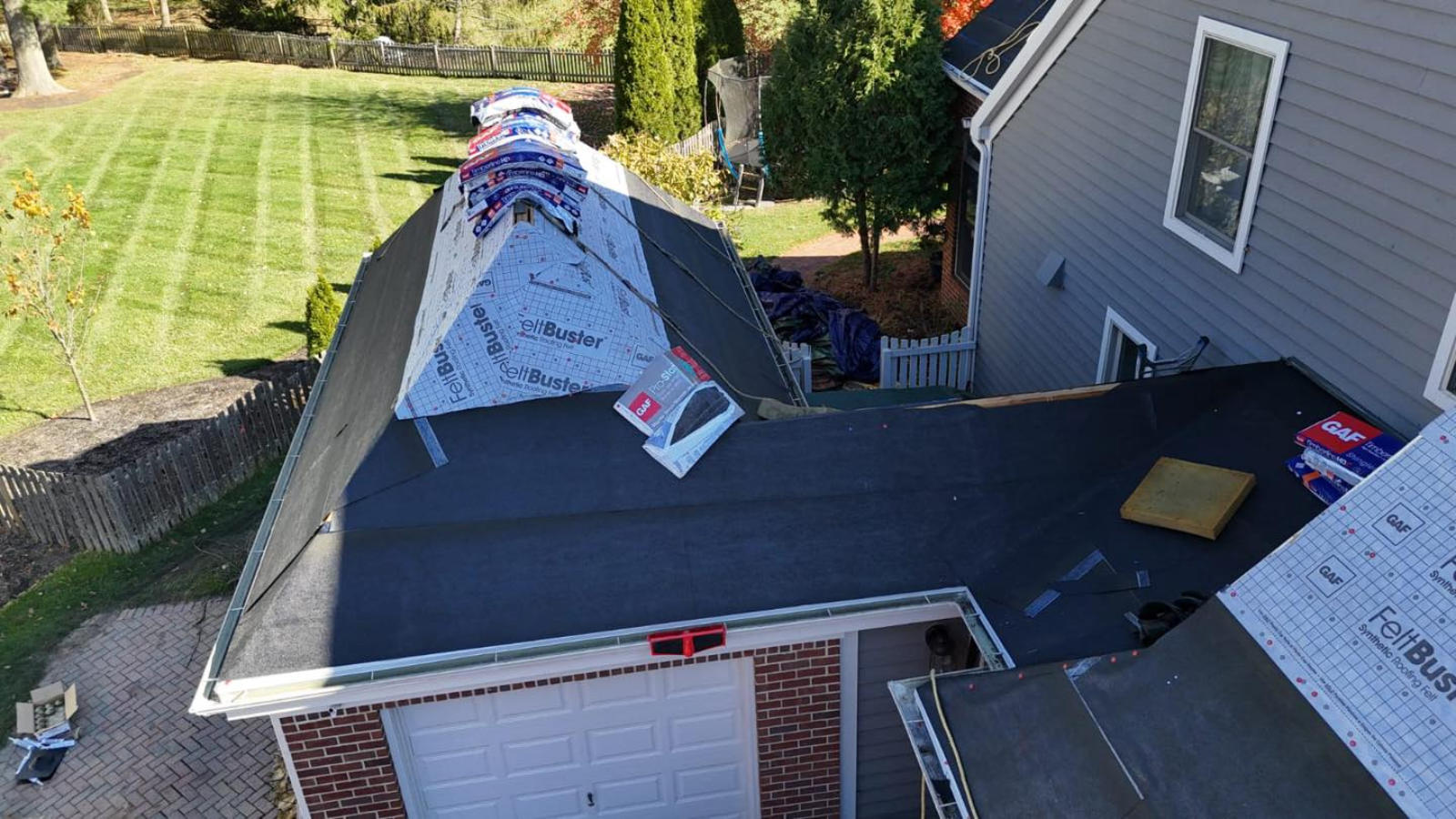
Temporary repairs are designed to prevent further damage. They do not replace the full roof system. Temporary roof repair insurance methods include:
- Tarping damaged sections
- Applying plastic sheeting over exposed decking
- Sealing small holes with approved materials
- Patching a few missing shingles with temporary adhesives
- Reinforcing loose flashing to stop water entry
These measures are allowed under temporary roof repair insurance rules because they are protective rather than permanent.
What Not To Do
Some actions can harm your claim if done too soon. Avoid the following until the adjuster evaluates:
- Full shingle replacement across large sections
- Structural repairs or reconstruction
- Replacing underlayment or decking permanently
- Making changes that erase proof of the original damage
Temporary roof repair insurance processes work best when evidence is preserved for inspection.
Documentation Before And After Temporary Repair
Documentation is the most important step. Every temporary roof repair insurance strategy requires proof to show what damage existed and why repairs were needed.
Capture the following:
- Photos of the damage before touching anything
- Close up images of problem areas
- Interior photos where leaks caused staining or moisture
- Images of temporary repair materials used
- Receipts for all services and supplies purchased
Save everything in one folder. This documentation becomes evidence when the adjuster reviews the claim.
Working With a Professional Roofing Contractor
Not every homeowner can safely access their roof. Professional support ensures temporary roof repair insurance solutions are handled correctly.
Kerrigan Roofing and Restoration provides:
- Emergency tarping
- Leak control measures
- Moisture barrier installation
- Storm damage assessments
- Photo documentation for claims
- Temporary stabilization reports
Having a licensed contractor involved strengthens claim legitimacy, especially for severe damage cases.
Protecting Your Home Until Approval Arrives
Insurance approval timelines vary. While waiting, homeowners need to monitor the temporary roof repair insurance setup to ensure it continues to protect the home.
Check regularly for:
- Water pooling under tarps
- Shifting materials after wind exposure
- New leaks during rain
- Moisture stains on ceilings
- Mold or mildew smell in attic areas
If conditions change, contact a professional for adjustments.
Communicating With Insurance Adjusters
Clear communication supports the claim outcome. Temporary roof repair insurance conversations should include:
- When the damage occurred
- Weather conditions at the time
- What temporary repairs were made
- Why they were necessary
- Who performed the repair
Provide documentation on request and remain available for inspections. Homeowners who communicate consistently typically experience smoother claim approval.
Costs and Reimbursement
Costs for temporary roof repair insurance actions vary by severity, location, and accessibility. Many insurance policies reimburse reasonable temporary repair expenses when linked directly to storm or accident events.
Keep all invoices and receipts. These expenses are evaluated for reimbursement as part of the claim settlement.
Temporary Repairs After Severe Storms
Storm events create urgent conditions that require immediate attention. Temporary roof repair insurance measures are not only allowed but expected when high risk conditions exist.
Examples include:
- Tornado or high wind uplift
- Hail punctures and shingle fractures
- Tree or branch impact
- Heavy rain intrusion
- Ice damage compromising flashing
Waiting for approval before acting in these situations could lead to higher repair costs and claim complications.
When Full Repairs Can Begin
Once insurance approval is finalized, permanent repairs or replacement can begin. The temporary roof repair insurance phase ends, and the project transitions to full restoration.
Homeowners should review the adjuster’s findings with the roofing contractor to confirm nothing is overlooked. This ensures the approved scope reflects all discovered damage.
Why Homeowners Trust Kerrigan Roofing and Restoration
When damage occurs, emotions run high and decisions need to be made quickly. Kerrigan Roofing and Restoration supports homeowners through temporary roof repair insurance challenges with clarity and respect.
Our approach includes:
- Fast response times
- Safety-first practices
- Full transparency on repair options
- Support before, during, and after adjuster visits
- Protection of both home and claim integrity
We guide homeowners one step at a time, so no one has to navigate storm recovery alone.
Final Thoughts
Temporary roof repair insurance support is not just an emergency fix. It is a strategic step that protects the home, preserves claim eligibility, and prevents long term structural issues. By acting quickly, documenting completely, and working with reputable professionals, homeowners can transition from crisis to restoration with confidence.