Your home’s siding plays a major role in protecting the structure from weather, moisture, and temperature changes. It also contributes significantly to curb appeal and energy efficiency. Over time, however, siding materials can wear down due to age, exposure to the elements, and everyday environmental conditions.
Recognizing siding replacement signs early can help homeowners avoid more serious problems such as structural damage, mold growth, and rising energy costs. Many siding issues begin as small cosmetic problems but gradually worsen if left unaddressed.
At Kerrigan Roofing and Restoration, we help homeowners evaluate exterior siding conditions and identify the right solutions to maintain both protection and appearance.
Why Siding Is Important For Your Home
Siding serves as the first line of defense against outdoor elements. Rain, wind, snow, and temperature fluctuations constantly impact your home’s exterior, and siding helps shield the underlying structure from these forces.
When homeowners start noticing siding replacement signs, it often means the material is no longer performing its protective function effectively. Damaged or deteriorating siding may allow moisture to penetrate behind the exterior wall, leading to wood rot, insulation damage, and mold growth.
Beyond protection, siding also improves energy efficiency. Properly installed siding works alongside insulation to help regulate indoor temperatures. If the siding begins to fail, the home may experience drafts or increased heating and cooling costs.
Because siding is such an important part of the home’s exterior system, recognizing early warning signs can help homeowners prevent more serious structural problems.
Visible Cracks Or Warping
One of the most obvious siding replacement signs is visible cracking or warping. Over time, siding materials can expand and contract due to temperature changes, causing structural stress.
Cracked siding panels may allow water to enter behind the exterior wall. Even small cracks can become larger over time, especially during freeze and thaw cycles.
Warping is another indicator that siding may be deteriorating. When siding begins to bend or pull away from the wall, it may indicate moisture infiltration or structural weakness.
If homeowners notice widespread cracking or warping across several panels, it may be a strong indication that replacement is necessary rather than simple repairs.
Frequent Need For Exterior Repairs
Occasional siding repairs are normal, especially for homes exposed to strong weather conditions. However, if repairs become frequent, it may be one of the more significant siding replacement signs.
Repeated patching or replacing small sections of siding may temporarily improve appearance, but it does not always solve underlying problems. Aging siding materials may continue deteriorating even after repairs are completed.
If homeowners find themselves scheduling exterior repairs year after year, replacing the siding entirely may be a more cost effective long term solution.
New siding provides a fresh protective barrier while eliminating ongoing repair costs.
Fading Or Peeling Paint
Another common siding replacement signs homeowners notice is fading or peeling paint. While fading can occur naturally over time, severe discoloration may indicate that the siding material is no longer maintaining its protective coating.
Paint protects siding from moisture and ultraviolet exposure. When paint begins to peel or fade excessively, it may signal that the siding has reached the end of its functional lifespan.
Some siding materials require repainting periodically, but if the paint deteriorates quickly after application, it may suggest that the siding surface itself is failing.
Replacing aging siding can restore the home’s appearance while improving protection from environmental elements.
Rising Energy Bills
Many homeowners do not immediately connect their energy costs with the condition of their siding. However, one of the more subtle siding replacement signs is a noticeable increase in heating or cooling expenses.
Damaged or deteriorating siding can allow outside air to enter the home, reducing the effectiveness of insulation. Drafts may develop, causing heating and cooling systems to work harder to maintain comfortable indoor temperatures.
When siding replacement improves the home’s exterior insulation barrier, homeowners often notice improved energy efficiency and lower utility bills.
Monitoring energy costs over time can help identify potential siding problems that may not be immediately visible.
Mold, Mildew, Or Moisture Damage
Moisture problems are among the most serious siding replacement signs homeowners should watch for. If siding allows water to penetrate behind exterior walls, it can lead to mold growth, mildew stains, and structural damage.
Dark streaks, green patches, or persistent moisture marks on siding surfaces may indicate water infiltration. While some surface mold can be cleaned, recurring growth often suggests deeper moisture problems.
Interior signs such as peeling paint, damp drywall, or musty odors may also indicate that moisture is entering through damaged siding.
Addressing these problems quickly is important because prolonged moisture exposure can weaken the structural components of the home.
Bubbling Or Blistering Panels
Bubbling or blistering on siding panels may indicate that moisture has become trapped beneath the surface. This is another common siding replacement signs homeowners may observe.
These bubbles often form when water infiltrates the siding layers and becomes trapped between materials. Over time, the trapped moisture can expand and cause further deterioration.
Blistering panels not only affect the home’s appearance but also reduce the siding’s ability to protect against future weather exposure.
When bubbling appears across multiple sections of siding, replacement may be necessary to restore the exterior barrier.
Interior Wall Damage
Sometimes siding replacement signs appear inside the home rather than on the exterior. Water stains, peeling wallpaper, or soft drywall may indicate moisture entering through damaged siding.
When siding fails to keep water out, moisture can travel through the wall system and eventually appear indoors. These interior warning signs should never be ignored.
Addressing the root cause of moisture problems often involves evaluating the siding condition and determining whether replacement is necessary.
Professional inspections can help identify the source of moisture and recommend the appropriate repair or replacement solution.
Age Of The Siding
Even if siding appears to be in decent condition, age alone may indicate that replacement should be considered. Many siding materials have a typical lifespan ranging from 20 to 40 years depending on the material and maintenance.
As siding ages, it gradually becomes more vulnerable to weather damage and structural wear. One of the most overlooked siding replacement signs is simply the age of the existing siding system.
Homeowners who know their siding has reached the end of its expected lifespan may benefit from scheduling a professional inspection to evaluate its condition.
Upgrading aging siding can improve both the durability and appearance of the home.
Benefits Of Replacing Old Siding
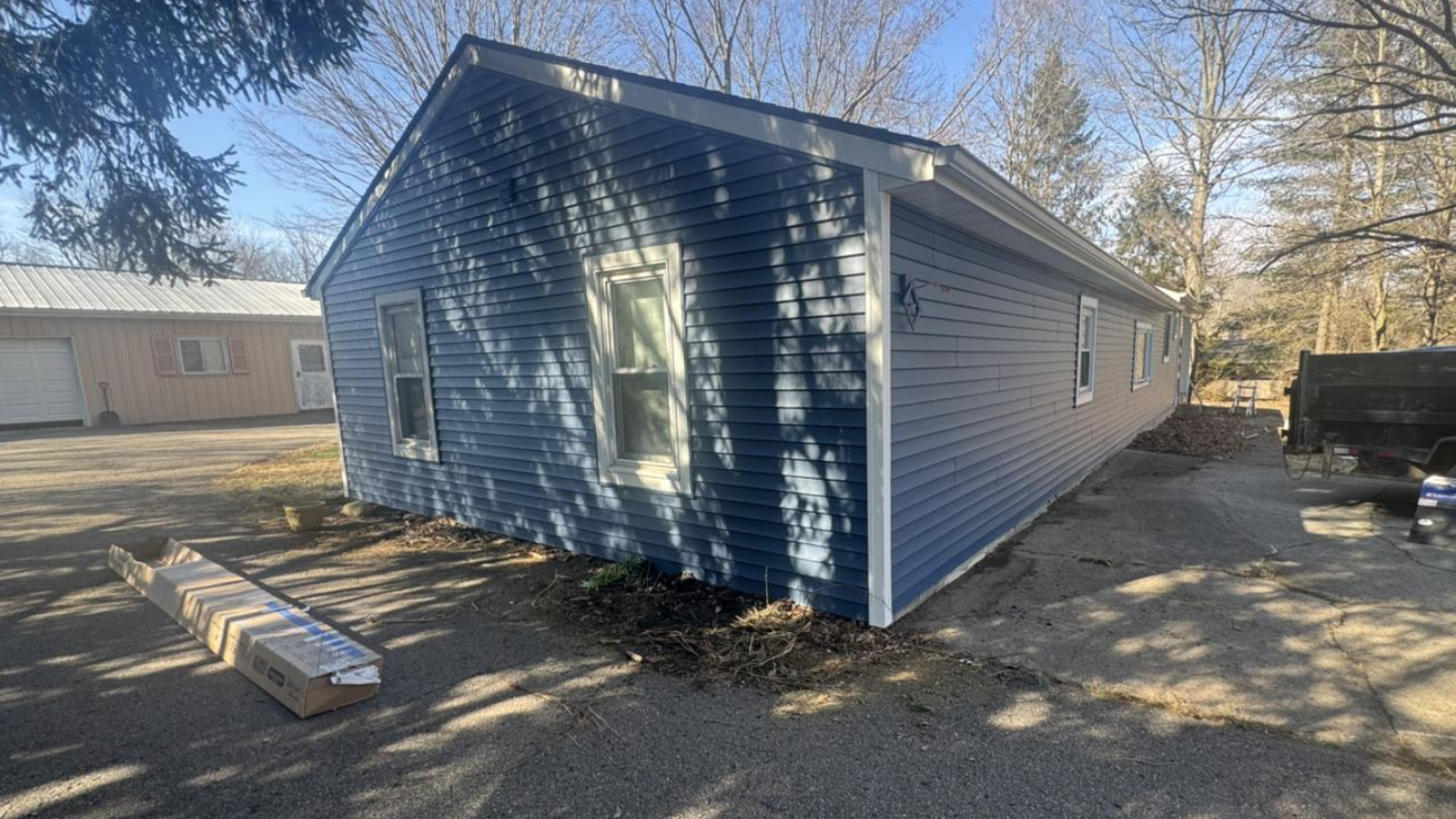
Replacing worn siding offers several advantages beyond fixing visible damage. New siding improves curb appeal, increases property value, and enhances overall home protection.
When homeowners address siding replacement signs early, they prevent more extensive structural repairs that may occur if siding problems are ignored.
Modern siding materials are also designed with improved durability and energy efficiency. Many options offer enhanced resistance to moisture, pests, and extreme weather conditions.
Upgrading siding can also transform the visual appearance of the home, giving it a fresh and updated look.
Professional Siding Evaluation For Your Home
Recognizing siding replacement signs is the first step in protecting your home’s exterior. However, determining whether repairs or replacement are needed often requires professional evaluation.
At Kerrigan Roofing and Restoration, we help homeowners assess the condition of their siding and identify the best solutions for maintaining long term protection. Our team carefully inspects siding systems to identify damage, moisture concerns, and structural issues.
By addressing siding problems early, homeowners can protect their property, improve energy efficiency, and maintain the beauty of their home for years to come.