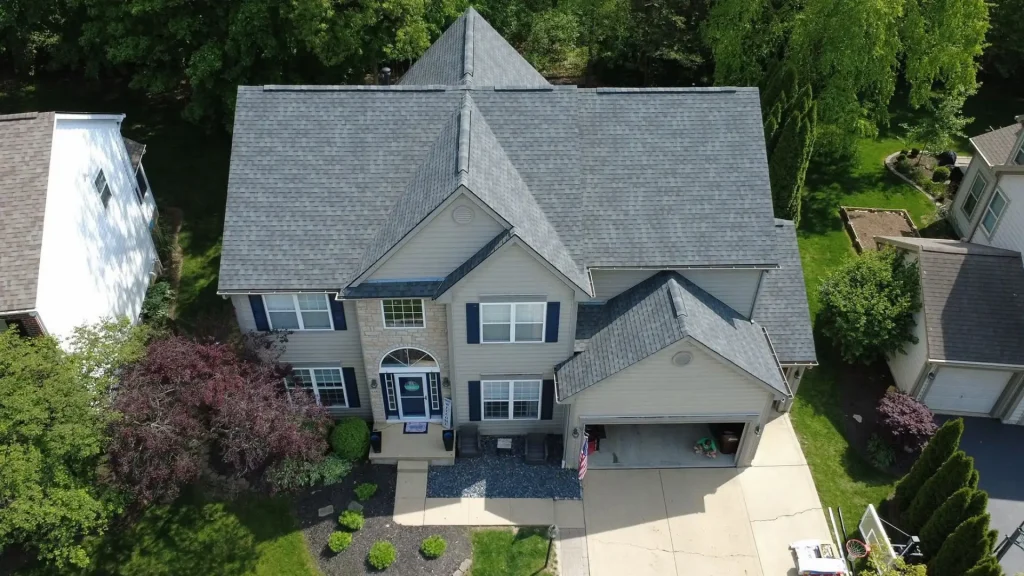
A clean, well-maintained roof does more than improve your home’s appearance. It also helps protect roofing materials from moisture, organic growth, and premature deterioration. Moss and algae are common concerns for homeowners, particularly in areas where roofs experience shade, humidity, and frequent moisture. Understanding how to prevent roof moss growth can help homeowners protect their roofing investment and avoid unnecessary repairs.
Learning how to prevent roof moss growth can help homeowners maintain a healthier roof and extend its useful life.
Why Moss and Algae Grow on Roofs
Moss and algae thrive in environments where moisture remains on roofing materials for extended periods.
Common contributing factors include:
- Excessive shade
• Poor roof drainage
• High humidity
• Overhanging trees
• Accumulated leaves and debris
• Limited sunlight
• Clogged gutters
Understanding these conditions is the first step homeowners can take to prevent roof moss growth.
How Moss Can Damage Your Roof
Although moss may initially appear to be a cosmetic issue, heavy growth can create roofing problems over time.
Moss can contribute to:
- Moisture retention
• Shingle deterioration
• Damaged granules
• Lifted or displaced shingles
• Wood rot
• Increased risk of leaks
Taking steps to prevent roof moss growth helps reduce prolonged moisture exposure and protects roofing materials.
Algae vs. Moss: What’s the Difference?
Moss and algae affect roofs differently.
Algae commonly appear as dark streaks or stains across roofing materials. Moss is thicker and grows in raised, green patches.
Both can affect roof appearance, but heavy moss growth presents a greater physical concern because it can retain moisture and interfere with roofing materials.
Homeowners who want to prevent roof moss growth should address both moss and algae before they become extensive.
Keep Your Roof Free of Debris
Leaves, branches, pine needles, and other debris can trap moisture against the roof.
One of the easiest ways to prevent roof moss growth is to keep the roofing surface as clean as possible.
Homeowners should regularly remove:
- Fallen leaves
• Pine needles
• Small branches
• Organic debris
Removing debris allows the roof to dry more quickly after rainfall.
Trim Overhanging Tree Branches
Trees can provide valuable shade, but excessive shade can create conditions that encourage moss and algae.
To help prevent roof moss growth, homeowners should trim branches that extend directly over the roof.
Tree trimming can:
- Increase sunlight exposure
• Improve airflow
• Reduce falling debris
• Minimize moisture retention
Professional tree trimming may be appropriate when branches are difficult or dangerous to reach.
Maintain Clean Gutters
Gutters play an important role in roof maintenance.
Clogged gutters can cause water to back up and remain near roof edges. Keeping gutters clean is another effective way to prevent roof moss growth.
Homeowners should:
- Clean gutters regularly
• Remove leaves and debris
• Check downspouts
• Make sure water flows properly
Good drainage helps keep roofing materials from remaining wet for extended periods.
Improve Roof Drainage
Standing water creates favorable conditions for moss and algae.
Poor drainage may result from:
- Clogged gutters
• Blocked valleys
• Improper downspout discharge
• Roof design problems
Addressing drainage issues helps prevent roof moss growth by reducing areas where moisture can remain trapped.
Improve Attic Ventilation
Roof surface moisture can be influenced by conditions inside the attic as well.
Proper attic ventilation helps regulate temperature and moisture levels throughout the roofing system.
Good ventilation can:
- Reduce condensation
• Improve airflow
• Protect roof decking
• Support overall roof health
Although ventilation is not a complete solution for exterior moss, it can contribute to efforts to prevent roof moss growth.
Use Proper Roof Cleaning Methods
When moss or algae is already present, homeowners should avoid aggressive cleaning techniques.
Pressure washing can potentially damage shingles by removing protective granules or forcing water beneath roofing materials.
Professional roof cleaning methods can help homeowners:
- Remove organic growth safely
• Protect roofing materials
• Reduce moisture-related problems
• Maintain roof appearance
Safe cleaning is an important part of a strategy to prevent roof moss growth in the future.
Consider Zinc or Copper Strips
Certain metal strips can help discourage moss and algae growth when installed appropriately near roof ridges.
Rainwater can carry trace amounts of metal down the roof surface, creating conditions that are less favorable for organic growth.
Depending on the roofing material and roof design, these products may be considered as one way to prevent roof moss growth.
A professional should determine whether metal strips are appropriate for your specific roofing system.
Inspect Your Roof Regularly
Regular inspections allow homeowners to catch early signs of moss and algae before they become widespread.
During an inspection, look for:
- Green patches
• Dark streaks
• Raised shingles
• Damaged granules
• Moisture stains
• Accumulated debris
Early detection makes it easier to prevent roof moss growth and address small problems before they become expensive repairs.
Watch Shaded Areas Carefully
The north-facing areas of some roofs and sections beneath trees may receive less sunlight.
These areas can remain damp longer after rainfall.
Homeowners should pay particular attention to shaded roof sections when trying to prevent roof moss growth.
Keeping these areas clean and improving sunlight and airflow where practical can help reduce favorable conditions for moss.
Avoid Excessive Roof Moisture
Reducing unnecessary moisture exposure is one of the most effective ways to prevent roof moss growth.
Homeowners should make sure:
- Gutters drain properly
• Downspouts direct water away from the home
• Roof valleys remain clear
• Plumbing or roof leaks are repaired
• Sprinklers do not continuously spray the roof
Controlling moisture helps maintain a healthier roofing environment.
When Professional Roof Maintenance Is Needed
Homeowners should consider professional assistance when moss or algae becomes extensive.
Professional roofing services can identify:
- Damaged shingles
• Hidden moisture problems
• Poor drainage
• Ventilation issues
• Structural deterioration
A professional approach helps prevent roof moss growth while protecting the underlying roofing system.
Preventative Roof Maintenance Tips
A consistent maintenance routine can make a significant difference.
Homeowners should:
- Schedule annual roof inspections
• Keep gutters clean
• Trim nearby tree branches
• Remove roof debris
• Monitor shaded areas
• Address leaks promptly
• Maintain proper attic ventilation
These preventative measures help prevent roof moss growth and preserve roof performance.
Why Choose Kerrigan Roofing and Restoration
Homeowners trust Kerrigan Roofing and Restoration for professional roofing inspections, repairs, maintenance, and restoration services.
We provide:
- Comprehensive roof inspections
• Roof maintenance services
• Moss and algae assessment
• Roof repair solutions
• Gutter maintenance
• Professional workmanship
• Reliable customer service
Our experienced team can help homeowners develop practical maintenance strategies to prevent roof moss growth and protect their roofing investment.
Final Thoughts
Moss and algae can gradually affect the appearance and performance of your roof when moisture remains trapped for extended periods. Regular maintenance, proper drainage, tree trimming, debris removal, and professional inspections can all help homeowners prevent roof moss growth.
Taking preventative action is generally easier than waiting until moss has caused significant roofing damage. By maintaining your roof and addressing moisture problems early, you can help extend its lifespan and maintain your home’s curb appeal.