For homeowners exploring commercial-style construction or managing mixed-use properties, choosing the right roofing system is a critical decision. The structure, durability, and long-term performance of your building all depend on the type of roof you install. Understanding the differences between flat and pitched roofs—and how commercial flat roof systems compare—can help you make the best choice for your property.
At Kerrigan Roofing and Restoration, we guide property owners through the pros and cons of each roofing style. In this guide, we’ll break down the key differences, benefits, and considerations so you can better understand how commercial flat roof systems stack up against pitched alternatives.
Understanding these systems is essential when deciding which roofing solution fits your needs.
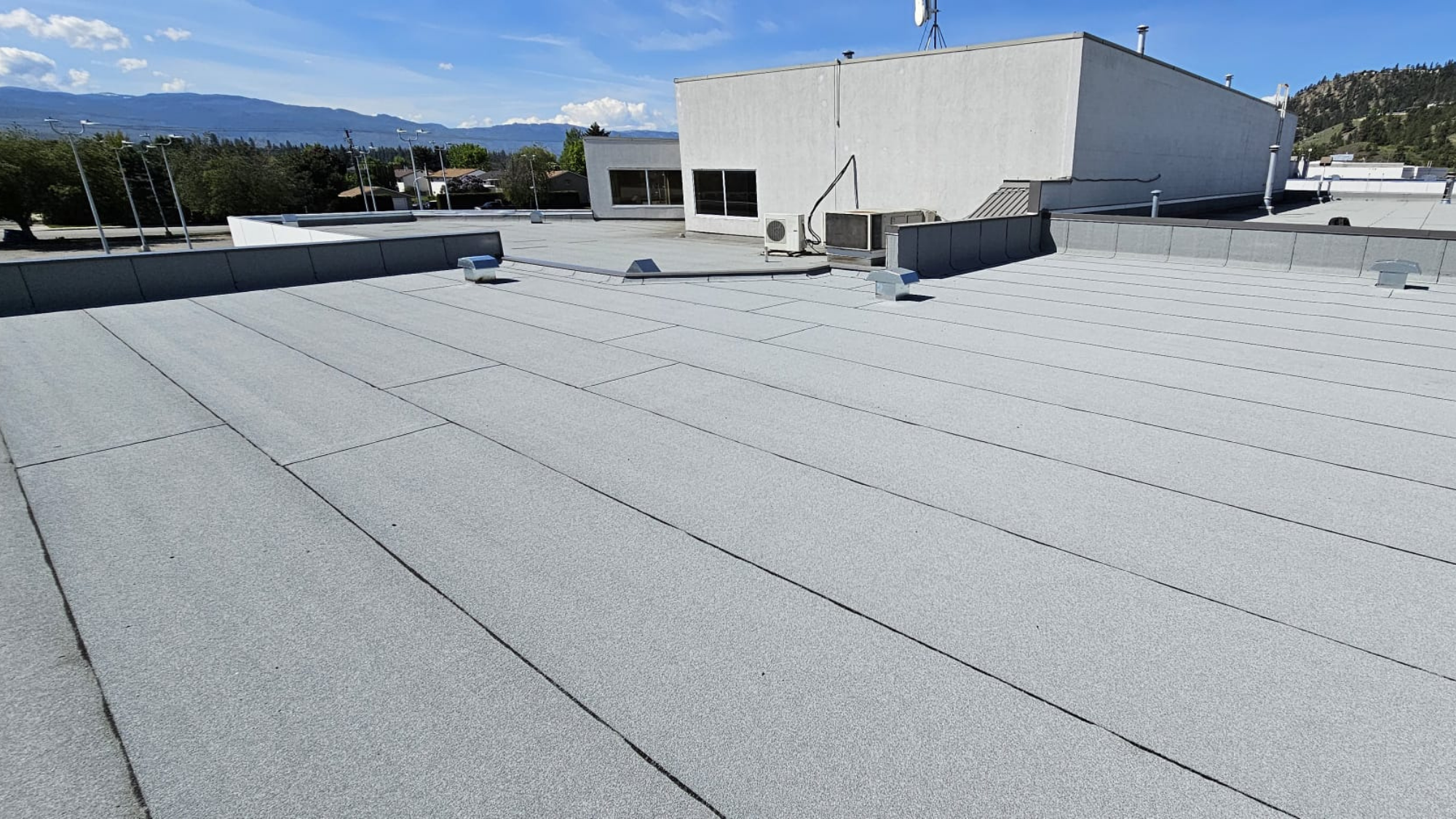
What Are Commercial Flat Roof Systems
Flat roofs are commonly used in commercial construction due to their modern design and practical benefits.
Commercial flat roof systems are characterized by:
• A low slope for water drainage
• Large surface area coverage
• Space for equipment installation
• Simplified construction design
These systems are not completely flat but are designed with a slight pitch to allow water runoff.
What Is a Pitched Roof
Pitched roofs have a noticeable slope and are more common in residential construction.
They are designed to:
• Shed water quickly
• Handle heavy rainfall
• Provide attic space
• Enhance traditional aesthetics
While pitched roofs are less common in commercial settings, some homeowners still consider them for certain building styles.
Key Differences Between Flat and Pitched Roofs
Understanding the structural differences helps clarify your decision.
Commercial flat roof systems differ from pitched roofs in several ways:
• Flat roofs have minimal slope, pitched roofs have steep angles
• Flat roofs use membranes, pitched roofs use shingles or tiles
• Flat roofs offer usable space, pitched roofs do not
• Flat roofs require drainage systems, pitched roofs rely on gravity
Each option serves different needs depending on the building design.
Advantages of Commercial Flat Roof Systems
Flat roofs offer several benefits for property owners.
Commercial flat roof systems provide:
• Cost-effective installation
• Easier maintenance access
• Usable rooftop space
• Modern architectural style
• Ideal surface for solar panels or HVAC systems
These advantages make these systems a popular choice for many buildings.
Advantages of Pitched Roofs
Pitched roofs also offer unique benefits.
They are known for:
• Excellent water drainage
• Longer lifespan in some materials
• Better performance in heavy rain or snow
• Classic appearance
For homeowners prioritizing traditional design, pitched roofs may be appealing.
Drainage and Water Management
Water management is a critical factor in roof performance.
Commercial flat roof systems rely on:
• Internal drains
• Scuppers
• Slight slopes for water movement
Pitched roofs naturally shed water due to gravity, reducing pooling risks. However, properly designed systems can manage water effectively when installed correctly.
Maintenance Requirements
Maintenance needs differ between the two systems.
Commercial flat roof systems require:
• Regular inspections
• Drain cleaning
• Membrane checks
• Prompt repairs for pooling water
Pitched roofs generally require less frequent maintenance but may still need shingle replacement and inspections.
Consistent care ensure systems perform efficiently over time.
Installation Costs and Considerations
Budget plays a major role in decision-making.
Commercial flat roof systems typically have:
• Lower initial installation costs
• Faster installation timelines
• Simpler structural requirements
Pitched roofs may cost more due to:
• Complex framing
• Additional materials
• Longer labor time
However, long-term costs depend on maintenance and lifespan.
Energy Efficiency and Insulation
Energy performance is another important factor.
Commercial flat roof systems can improve efficiency by:
• Supporting reflective coatings
• Allowing insulation layers
• Reducing heat absorption
Pitched roofs also provide insulation benefits through attic space, which can regulate indoor temperatures.
Choosing the right system depends on your climate and energy goals.
Durability and Lifespan
Roof longevity varies by material and design.
Commercial flat roof systems often use materials like:
• TPO membranes
• EPDM rubber
• Modified bitumen
With proper maintenance, these systems can last 20–30 years or more.
Pitched roofs with materials like metal or tile may last longer, but these systems remain durable when properly installed and maintained.
Space Utilization
One of the biggest advantages of flat roofs is usable space.
Commercial flat roof systems allow for:
• Rooftop gardens
• Outdoor seating areas
• Equipment placement
• Solar panel installation
Pitched roofs do not offer this level of accessibility or functionality.
Weather Performance
Different climates affect roof performance.
Commercial flat roof systems perform well in:
• Mild climates
• Areas with moderate rainfall
Pitched roofs are better suited for:
• Heavy rain regions
• Snow-prone areas
Proper design ensure systems can still perform reliably in various conditions.
Common Issues with Flat and Pitched Roofs
Each system has potential drawbacks.
Commercial flat roof systems may experience:
• Water pooling
• Membrane damage
• Drainage blockages
Pitched roofs may face:
• Shingle damage
• Wind uplift issues
• Higher repair costs
Understanding these risks helps homeowners make informed decisions.
Choosing the Right Roof for Your Property
The best option depends on your specific needs.
Consider the following when evaluating commercial flat roof systems versus pitched roofs:
• Building design
• Budget
• Climate conditions
• Maintenance preferences
• Intended roof usage
Consulting professionals ensures you select the most suitable system.
Why Choose Kerrigan Roofing and Restoration
Homeowners trust Kerrigan Roofing and Restoration for expert roofing solutions.
We provide:
• Professional consultations
• Customized roofing recommendations
• High quality materials
• Skilled installation
• Reliable maintenance services
• Strong warranties
Our team helps you evaluate commercial flat roof systems and pitched roofs to find the best fit for your property.
Frequently Asked Questions About Commercial Flat Roof Systems
Are flat roofs completely level
No, they have a slight slope for drainage.
Do flat roofs leak more often
Not when properly installed and maintained.
Are flat roofs good for homes
They can work well depending on design and climate.
How often should flat roofs be inspected
At least twice per year.
Can flat roofs support solar panels
Yes, commercial flat roof systems are ideal for solar installations.
Final Thoughts
Choosing between a flat roof and a pitched roof is an important decision that affects your property’s performance, cost, and functionality. While both options have advantages, commercial flat roof systems offer flexibility, affordability, and modern design benefits that appeal to many property owners.
By understanding the differences and working with experienced professionals, you can confidently choose the right roofing solution for your needs.
If you’re considering your options, Kerrigan Roofing and Restoration is ready to help. Contact our team today to learn more about commercial flat roof systems and find the best roofing solution for your property.