
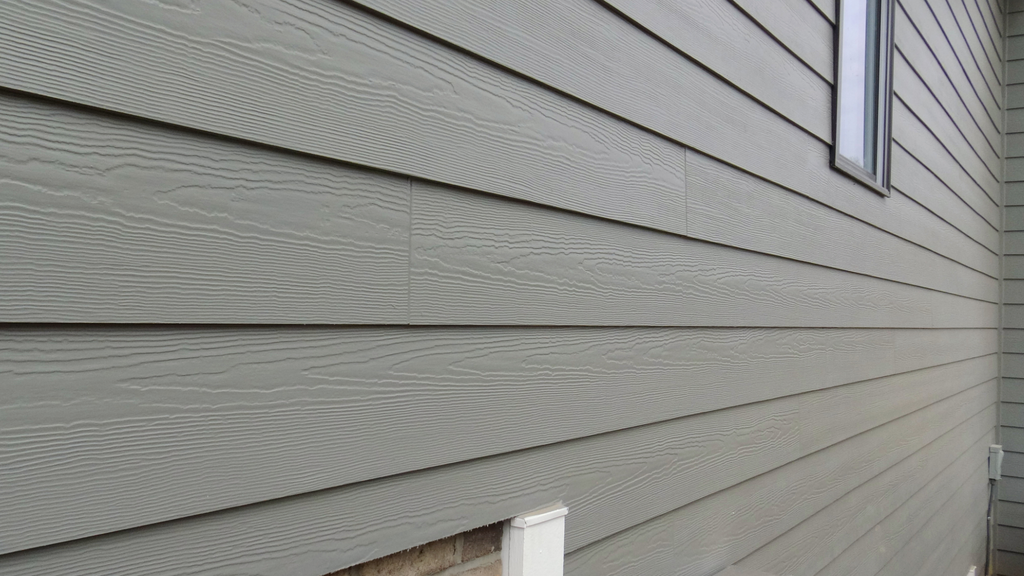
Your home’s siding does more than improve curb appeal. It helps protect your property from rain, wind, moisture, temperature changes, and other outdoor conditions. In Greater Dayton and Columbus, Ohio, changing seasons can put siding materials through a wide range of challenges, from freezing winter temperatures to humid summers and severe storms. Regular maintenance helps homeowners preserve their siding’s appearance, performance, and lifespan.
Why Regular Siding Maintenance Matters
Siding serves as an important protective layer between your home and the elements. When siding becomes cracked, loose, or deteriorated, moisture may reach the underlying structure and contribute to mold, wood rot, or insulation problems.
Following consistent siding maintenance tips helps homeowners recognize these issues before they affect other parts of the property. Routine care can also preserve the siding’s color, reduce dirt buildup, and maintain your home’s overall appearance.
The benefits of regular siding maintenance include:
- Helping prevent moisture intrusion and water damage
- Identifying cracks, gaps, and loose panels early
- Maintaining your home’s curb appeal
- Extending the service life of siding materials
- Reducing the likelihood of unexpected repair expenses
- Protecting the exterior during seasonal weather changes
Different siding materials have different care requirements. Vinyl, fiber cement, wood, and engineered wood siding may respond differently to moisture, temperature fluctuations, and cleaning products. Understanding your siding type is an important first step in developing an effective maintenance routine.
Spring Siding Maintenance Tips for Ohio Homeowners
Spring is an ideal time to inspect your home’s exterior after winter weather. Snow, ice, freezing temperatures, and strong winds can leave behind damage that may not be immediately noticeable.
Homeowners in Greater Dayton and Columbus should examine accessible siding areas for cracks, loose panels, peeling paint, and damaged caulking. Pay particular attention to corners, seams, windows, doors, and other locations where different exterior materials meet.
Important spring siding maintenance tips include:
- Inspect siding for cracks, holes, and loose sections.
- Look for peeling paint or deteriorating finishes on painted siding.
- Check caulking around windows and doors for gaps.
- Remove accumulated dirt, pollen, and debris using an appropriate cleaning method.
- Examine areas near the foundation for splashback and moisture-related staining.
Spring cleaning should be gentle and suitable for the siding material. High-pressure washing can force water behind panels or damage certain surfaces. Use manufacturer-recommended cleaning methods, and seek professional advice if you notice widespread staining or deterioration.
Addressing winter damage early helps prepare your home’s exterior for spring rain and summer humidity.
Summer Siding Maintenance Tips for Warm and Humid Weather
Summer brings warmer temperatures, increased humidity, and occasional severe thunderstorms to central and southwestern Ohio. These conditions can affect siding, especially when moisture collects around damaged seams or areas with poor drainage.
One of the most useful siding maintenance tips for summer is to monitor how water moves around your property. Downspouts should direct rainwater away from the foundation, while gutters should remain clear enough to prevent overflow onto exterior walls.
During summer, homeowners should also:
- Check for discoloration, mildew, or algae growth.
- Inspect siding after strong thunderstorms.
- Look for panels that have shifted or become loose.
- Trim vegetation that touches or grows directly against siding.
- Check whether sprinkler systems are repeatedly soaking exterior walls.
Moisture problems should be investigated rather than simply covered with paint or cleaning products. Persistent dampness may indicate a drainage issue, a damaged gutter, or a gap that allows water behind the siding.
Wood siding may require additional attention during summer because prolonged moisture exposure can contribute to swelling, deterioration, and paint failure. Painted surfaces should be monitored for peeling or exposed wood, with repairs performed as needed.
Fall Siding Maintenance Tips Before Winter Arrives
Fall is an important preparation period for homeowners in Greater Dayton and Columbus. Cooler temperatures, falling leaves, and approaching winter storms make this a good time to complete exterior maintenance.
Following seasonal siding maintenance tips in autumn helps homeowners identify damage while weather conditions may still be suitable for repairs.
Before winter arrives, consider these tasks:
- Inspect siding for cracks, holes, and gaps.
- Check exterior caulking and weather-exposed joints.
- Clean gutters and downspouts to prevent water overflow.
- Remove leaves and branches that collect against exterior walls.
- Look for damaged trim around windows and doors.
- Arrange necessary repairs before freezing conditions become persistent.
Gutters deserve particular attention because clogged drainage systems can cause water to spill down siding and collect near the foundation. Over time, repeated exposure can lead to staining and moisture-related damage.
Homeowners should also inspect the lower sections of siding. These areas may be exposed to mud, standing water, snow accumulation, and moisture splashing from the ground.
Completing these tasks in fall helps reduce the chance that minor exterior problems will worsen during winter.
Winter Siding Maintenance Tips for Cold Ohio Weather
Winter can be challenging for siding because of freezing temperatures, snow, ice, and repeated freeze-thaw cycles. Water entering small openings may freeze and expand, potentially worsening cracks or damaging vulnerable materials.
Although major exterior repairs may be limited by weather conditions, homeowners can still perform useful visual checks. Inspect the exterior from the ground and look for loose panels, damaged trim, unusual staining, or areas where snow and ice repeatedly accumulate.
Practical winter siding maintenance tips include:
- Check for visible damage after strong winds or winter storms.
- Keep snow from piling against siding when it can be safely cleared.
- Watch for ice or water buildup near gutters and roof edges.
- Monitor interior walls for unexplained dampness or water stains.
- Arrange professional inspections when damage or moisture intrusion is suspected.
Avoid chipping ice directly from siding, as sharp tools can damage the surface. Likewise, do not use excessive heat to melt ice near exterior materials.
If you notice water entering the home, do not wait until spring to investigate. Prompt professional attention can help limit damage to insulation, wall framing, and interior finishes.
Common Siding Problems Homeowners Should Watch For
Seasonal inspections are most effective when homeowners understand which warning signs deserve attention. Some siding issues are cosmetic, while others may indicate that moisture is reaching the underlying structure.
Watch for these common concerns:
Cracked or Loose Panels: Wind, impact, aging, or temperature changes can damage siding. Loose panels may allow water and debris to enter vulnerable areas.
Peeling Paint: On painted wood or other compatible siding systems, peeling paint can indicate aging finishes or persistent moisture exposure.
Mold, Mildew, or Algae: Growth on exterior surfaces may be associated with shade, humidity, or repeated moisture exposure. The underlying cause should be addressed to help prevent recurrence.
Warping or Bulging: Distorted siding may indicate installation issues, heat exposure, moisture problems, or damage behind the exterior surface.
Gaps Around Windows and Doors: Failed sealant or deteriorated trim can create openings where water and outside air may enter.
Following these siding maintenance tips helps homeowners identify when a professional assessment is appropriate. Avoid assuming that every stain or crack requires complete siding replacement. A qualified contractor can evaluate the condition and recommend repairs or other suitable solutions.
When to Call Kerrigan Roofing and Restoration
Routine cleaning and ground-level inspections can help homeowners maintain their siding, but some problems require professional evaluation. Widespread cracking, recurring moisture intrusion, warped panels, extensive rot, and repeated paint failure may indicate issues that extend beyond the visible surface.
Kerrigan Roofing and Restoration helps homeowners in Greater Dayton and Columbus, Ohio, understand exterior maintenance concerns and determine appropriate next steps. Professional guidance can help identify the source of damage, evaluate the condition of siding materials, and prioritize necessary repairs.
Consistent siding maintenance tips are valuable, but proper repairs are equally important when damage is discovered. Addressing the cause rather than simply treating the visible symptom can help protect the home’s exterior over time.
Why Choose Kerrigan Roofing and Restoration
Choosing a reliable exterior contractor helps homeowners make informed decisions about protecting their properties. Kerrigan Roofing and Restoration understands the importance of durable exterior materials, timely maintenance, and practical repair solutions.
Whether your home needs an exterior assessment or attention to damaged siding, professional guidance can help you understand the condition of your home’s exterior and the options available. Our goal is to help homeowners protect their properties and make maintenance decisions that support long-term performance.
By combining professional support with consistent siding maintenance tips, homeowners can better manage seasonal weather challenges and maintain the appearance and functionality of their siding.
Final Thoughts
Maintaining your home’s siding throughout the year does not have to be complicated. Spring inspections, summer moisture checks, fall preparation, and winter monitoring all contribute to a more effective exterior maintenance routine.
For homeowners in Greater Dayton and Columbus, Ohio, changing weather conditions make seasonal care especially important. Following these siding maintenance tips can help identify damage early, reduce preventable repair costs, and preserve your home’s curb appeal.